Caring for a Gifted Succulent Arrangement: To Water or Not to Water?
Imagine how you feel when you receive a succulent arrangement as a gift. Part of the joy of receiving one is that it looks beautiful right away, with little to no responsibility attached. Succulent arrangements are a gorgeous gift idea for good reason. They are living sculptures you can display without needing a gardener or spending an hour outside on the patio. Succulent bouquets also make excellent gifts for birthdays, housewarmings, thank-yous, and corporate settings.
If your first introduction to succulents is a gift arrangement, it is normal to feel unmotivated and a little overwhelmed. That initial excitement can quickly turn into questions like, “What do I do now?” “How will I make this work in my home?” and “How long will it last?” Many succulent arrangements are temporary by design and are not meant to last long-term. While it is possible to keep them going, that is not always practical, and many gift arrangements are not built for longevity.
New succulent owners often run into two common issues right away. First, gift arrangements rarely include long-term care instructions, especially guidance for maintaining a pre-made design rather than a DIY planting. Second, many arrangements prioritize appearance and stability over long-term plant health, which creates a different set of care questions. The most important, and most misunderstood, question is simple: when should you water, and when should you not?
The Initial Assessment of Your Gifted Arrangement
The most important step before you water your gifted succulent arrangement is not to water it, at least not yet. First, take a closer look at what you received so you can make the best decisions for the plants.
Examine the Container
The container is a major factor in how you should water.
- Drainage is Critical
The ideal setup is a pot with drainage holes at the bottom. Drainage matters because it allows excess water to escape after watering. Succulents evolved in hot, dry environments where roots dry out between waterings (or between rain showers). Roots that stay wet are more likely to rot. Root rot is typically caused by fungal pathogens and can be fatal. - What to Do Without Drainage
Gift arrangements may come in glass bowls, mugs, ceramic pots without drainage, terrariums, or sealed wooden boxes. If the container has no drainage, avoid heavy watering. Use very small amounts of water and only infrequently. Your goal is to prevent water from pooling at the bottom of the container. Long-term, the healthiest option is to repot each plant into a pot with drainage holes.
Evaluate the Soil
The second most critical factor is the potting mix. Many retailers build arrangements for stability and easy transport, not for airflow and drainage.
- Identifying Inappropriate Soil
Your soil surface offers clues. If the mix looks dark, sponge-like, and dense, it is more likely to hold moisture too long. One common ingredient in moisture-retentive mixes is peat, which absorbs water like a sponge. - Impact on Watering
Dense, peat-based soil holds water far longer than a gritty succulent mix. The arrangement will dry slowly, and moisture can become trapped, reducing oxygen in the root zone. That combination increases the risk of rot. If your soil is dense, water less often and only after confirming the mix is completely dry.
Identify the Succulents
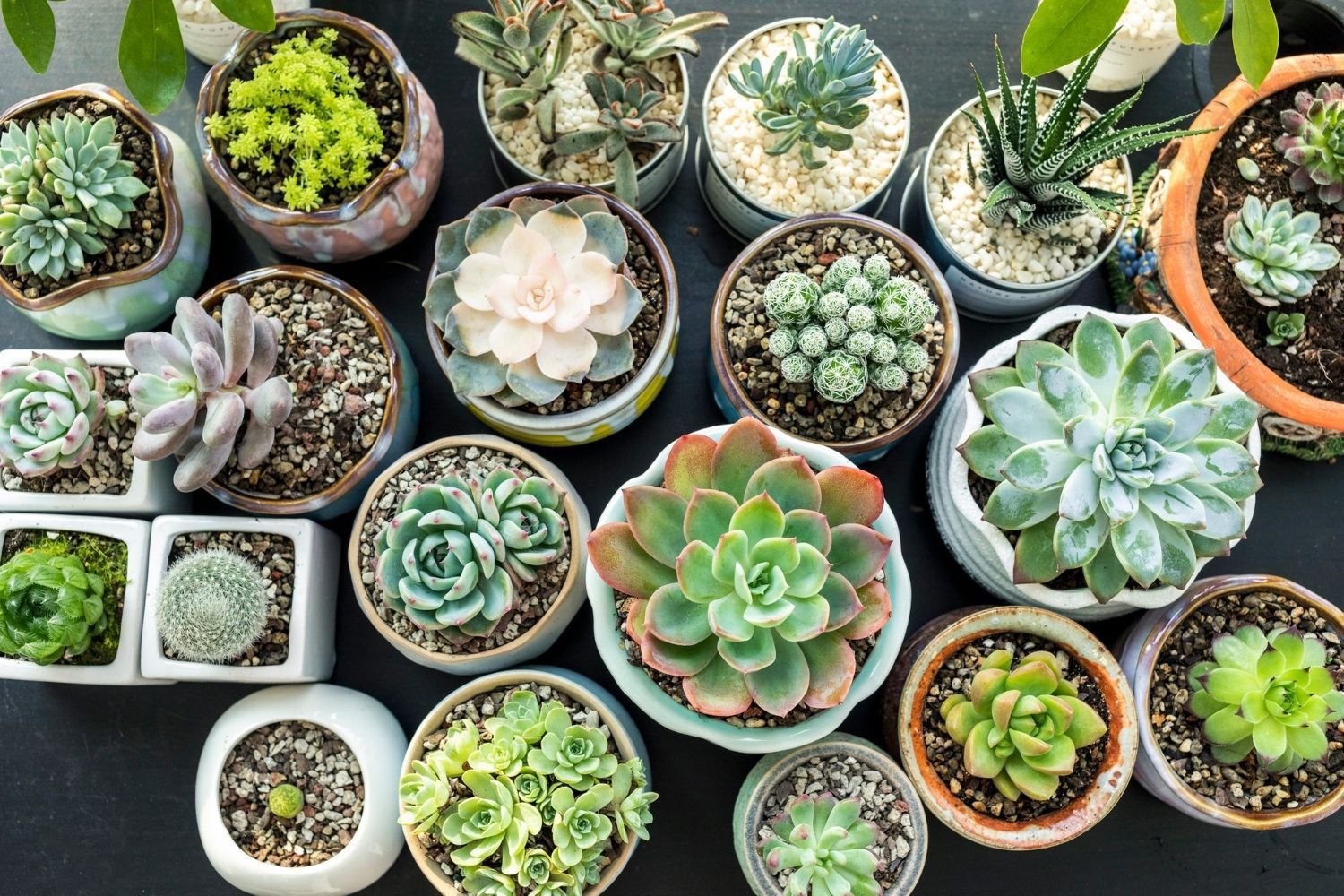
You do not need perfect plant identification before your first watering, but a basic category check helps, especially distinguishing cacti from other succulents. Many gift succulents fall into three broad groups: Echeveria, Sedum, and Haworthia. Each has different growth patterns, but a reliable rule for gift arrangements is simple: less water is usually safer. Cacti are less common in mixed arrangements, but they do appear. They are easy to spot because of their spines. Cacti typically need even less water than most other succulents. At this point, pause and inspect your arrangement closely.
The Core Question: To Water or Not to Water?
Once you have evaluated the container, the soil, and the types of succulents, you are ready for the most important decision in this process: whether to water or not to water.
When to Withhold Water
Watering is the biggest factor in succulent survival. Overwatered succulents can decline quickly, while underwatered succulents often last a long time. Either way, succulents usually show clear signs when conditions are not right. The goal is to water only when needed, not on a schedule.
- The "Wait and See" Approach
Assume the arrangement was watered within 24 hours before purchase. Retailers often water plants shortly before selling them to make them look fresh and hydrated. For that reason, waiting is often the best first move. In most cases, wait at least 7 days before watering. If the container has no drainage or the soil is dense, waiting 14 days is often safer. Use the first few days to let the plants adjust to the new environment, including light, temperature, and humidity. Avoid adding stress with wet soil. - Checking Soil Moisture
Before you decide to water, confirm the soil is completely dry. Do not rely on the surface alone. The top layer can look dry while deeper soil remains damp. Use a touch test by inserting a finger, wooden skewer, chopstick, or toothpick about two inches into the soil. If it comes out cool, damp, or with wet soil stuck to it, wait a few more days and test again.
Signs That Succulents Need Water
Leaf succulents store water in their leaves. When the soil stays dry, the plant draws from that stored water, and the leaves change in noticeable ways.
- Visual Cues from the Leaves
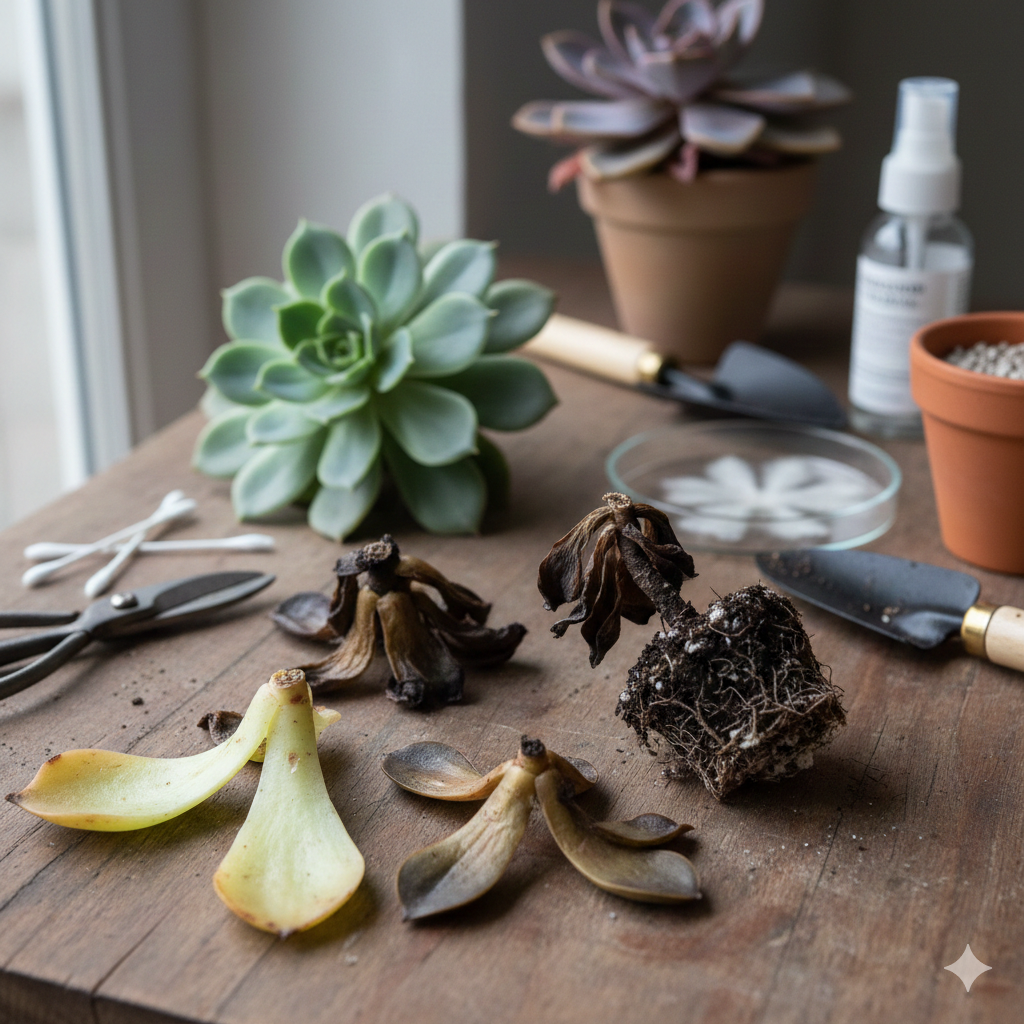
One of the clearest indicators that a plant needs water is the look and feel of its leaves. A thirsty succulent may have wrinkled leaves that look slightly deflated or thinner than normal. Leaves may also feel softer and less firm than you would expect in a well-hydrated plant. It is important to separate thirst signs from overwatering signs. Overwatered leaves may look translucent, yellowing, or unusually fragile. They may feel mushy and can fall off the stem with minimal touch. If you see those symptoms, stop watering and let the mix dry out fully. - Ignoring a Schedule
Never water on a schedule. Avoid thinking, “It’s Friday, so I water.” Conditions change daily. Drying time depends on temperature, light, humidity, and airflow. Let the plants and the soil guide the decision each time.
How to Water an Arrangement Correctly
Watering becomes simple once you match the method to the container.
- With Drainage (The "Drench and Drain" Method)
If your arrangement has drainage and a well-draining mix, use the drench-and-drain method. Slowly water the soil surface until you see water flowing from the drainage holes, which ensures moisture reaches the entire root zone. Then, let the pot drain in a sink or bowl and discard the collected water. Do not set the pot back into a saucer of standing water. - Without Drainage (The "Measured" Method)
If your container has no drainage, you must water precisely using the measured method. Apply only enough water to moisten the soil without creating pooling at the bottom, and consider measuring your water with a syringe, squeeze bottle, or measuring spoon to stay consistent. Add water close to the base of each plant and avoid wetting the leaves, since moisture can get trapped and increase the risk of rot. A typical starting point is 1 to 3 tablespoons per succulent, with more for larger plants.
Long-Term Care and Maintenance Beyond Watering
Watering is the biggest priority, but a few additional habits help a gifted arrangement last longer.
Light Requirements
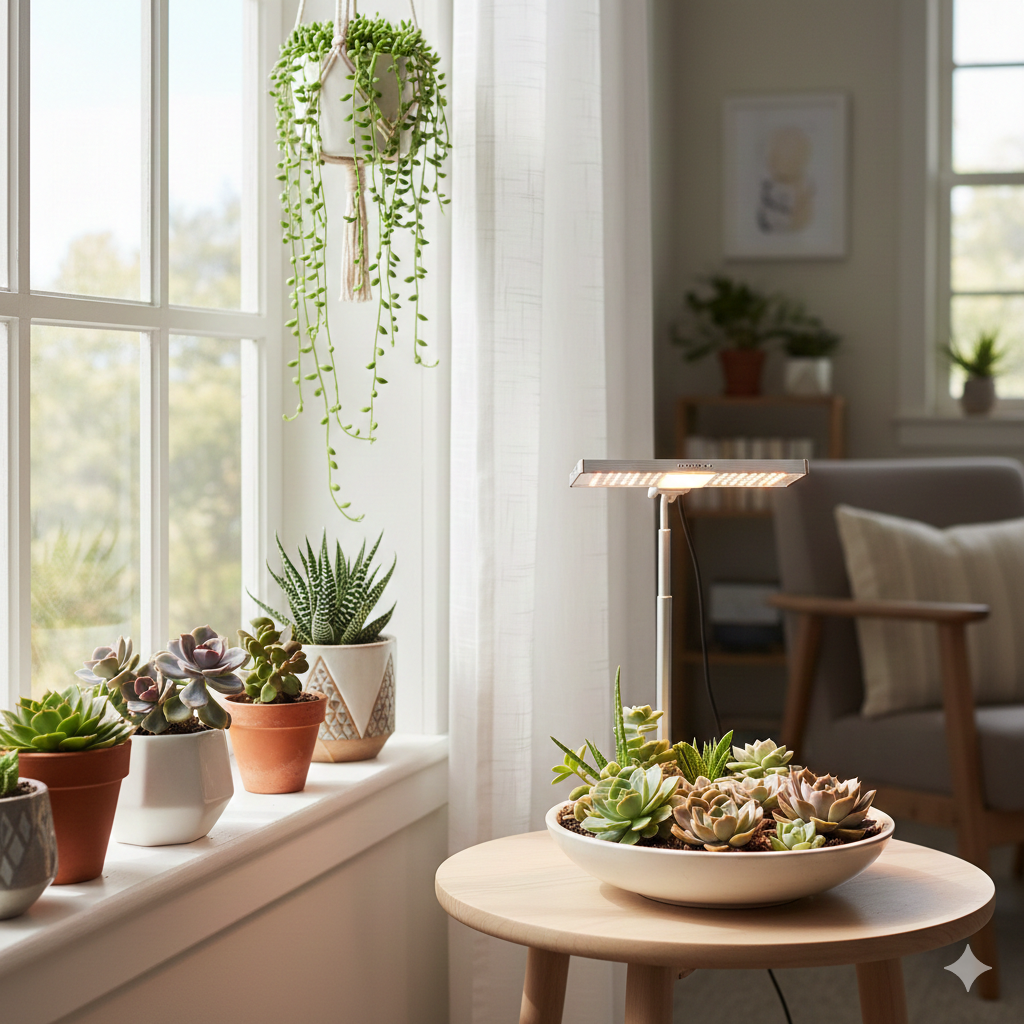
Most succulents need high light and good airflow. Outdoors, they can tolerate full sun once acclimated. Indoors, aim for bright, indirect light near a south-facing or east-facing window.
- Importance of Bright, Indirect Light
If a succulent does not get enough light, it can stretch, lose its compact shape, and look unhealthy. Place the arrangement near your brightest window. Be mindful that direct sun through glass can be intense and may scorch leaves, especially if the plant was previously in lower light.
Assessing the Need to Repot
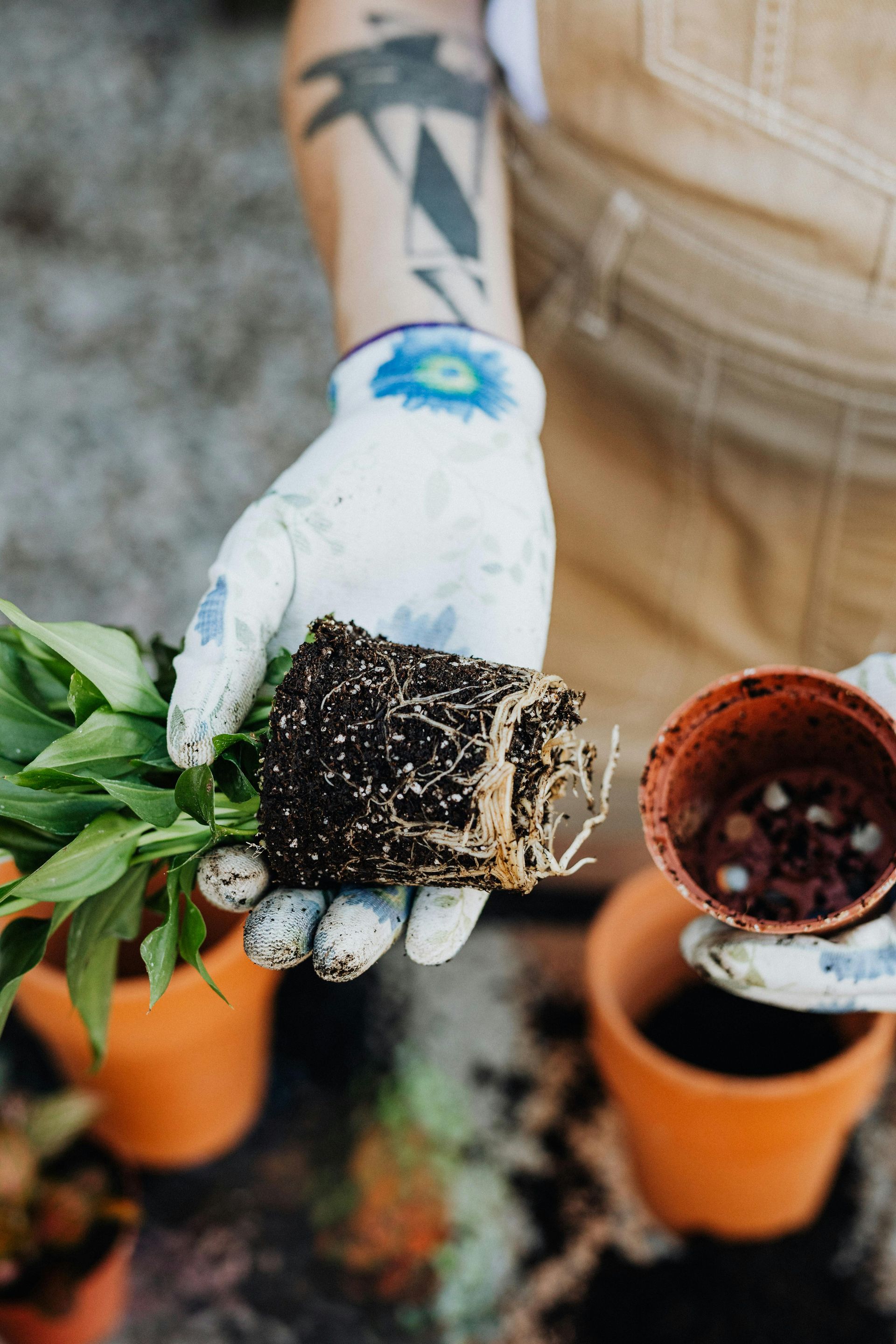
Gifted arrangements are often designed to be temporary. Succulents compete for space, and crowded roots eventually struggle. If plants look packed tightly or roots are rising at the surface, it is time to separate them. Repotting each succulent into its own pot with drainage holes and a gritty succulent mix is one of the most reliable ways to keep them healthy.
Grooming and Upkeep
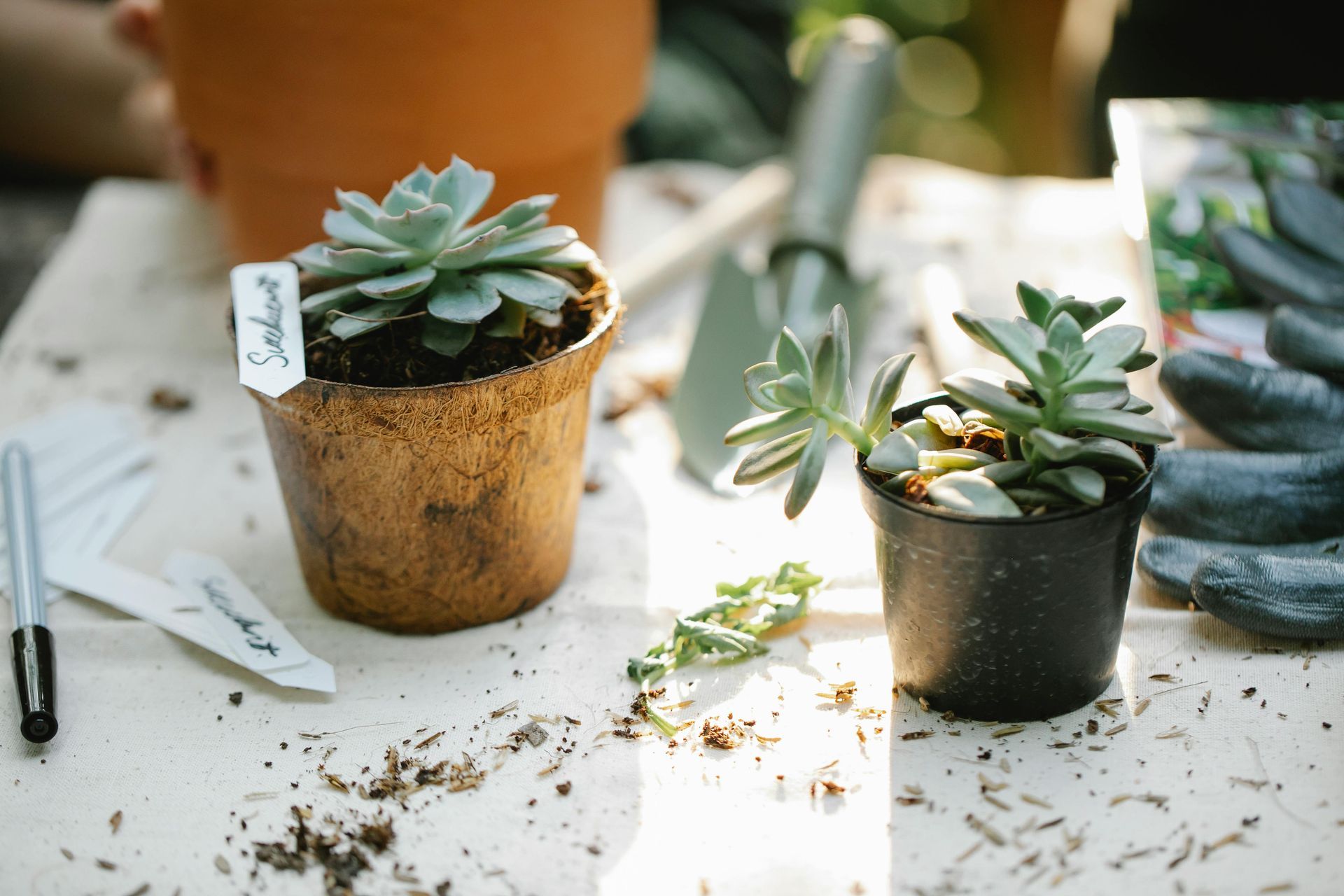
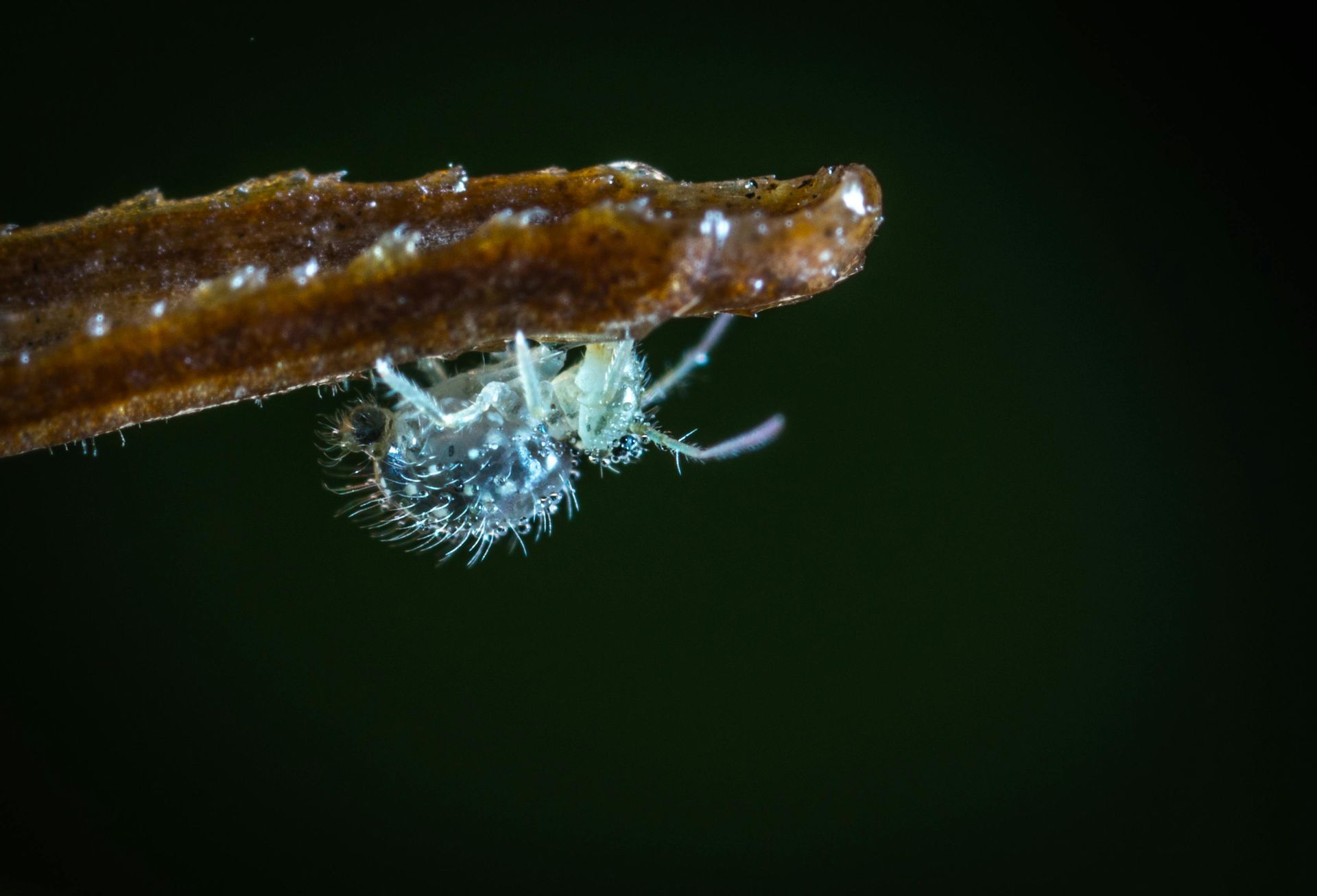
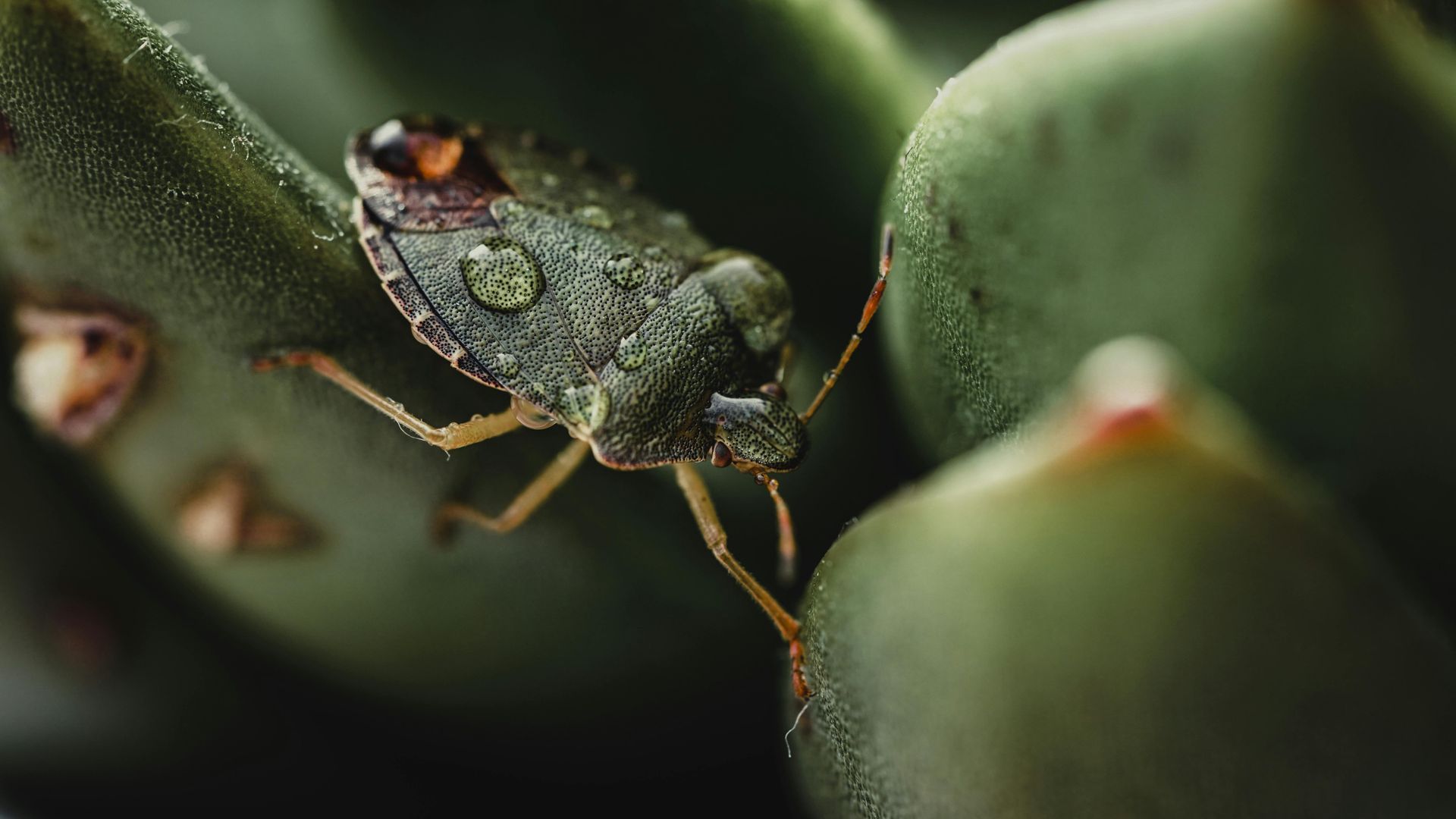
Grooming is often overlooked. As succulents grow, lower leaves naturally dry up. Remove dead leaves with tweezers and keep the soil surface clear. Debris left on top of the soil can hold moisture too long and may attract pests like mealybugs.
Care for Your Succulent and Grow Your Knowledge
Caring for a gifted succulent arrangement is less about memorizing rules and more about observing what the plants and soil are telling you. Start by checking whether the container has drainage, whether the soil drains well, and whether the leaves show real signs of thirst. It is perfectly fine to wait before watering, and it is safer to water only when the soil is fully dry. If you want hands-on guidance with soils, repotting, watering techniques, or propagation, Plant & Sip offers classes that can help you build confidence and keep your arrangement thriving. If you are ready to go deeper and learn practical skills you can use for years,
Plant & Sip can point you toward
workshops that match your needs and your plants’ needs.
Plant & Sip Latest News