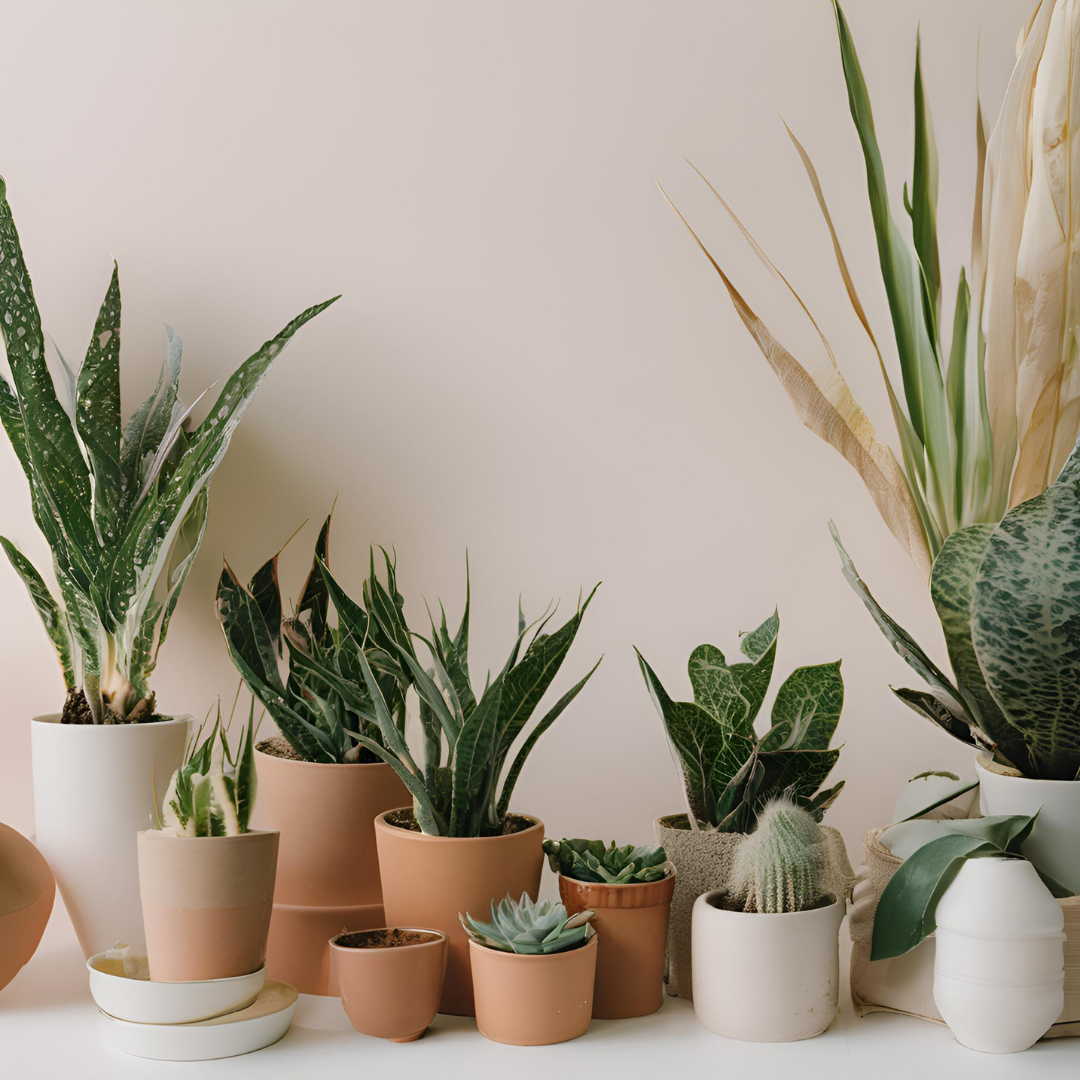
How to Get Rid of Bugs on Your Succulent: A Step-by-Step Guide
Few plants are as resilient or as easy to care for as succulents. Their thick leaves allow them to store water for long periods, so they can thrive in conditions that other plants find difficult. They require minimal maintenance and can tolerate some neglect. However, even these hardy plants can sometimes develop pest problems. If you notice unwelcome critters on a favorite plant, do not panic. It is a common issue.
The sooner you address pests, the more likely your succulent is to make a full recovery. Early action also makes treatment easier and faster, and it improves your chances of preventing pests from returning. This guide will show you how to get rid of bugs on a succulent with clear, step-by-step instructions for identifying, treating, and preventing the most common pests.
Identifying Common Succulent Pests
Dealing with an infestation is much easier when you know what to expect. Bugs can be stubborn, but with the right approach, you can remove them and help your succulent recover from the damage. Below is an overview of the removal process and how to prevent future problems.
Mealybugs
One of the most common bugs found on indoor succulents is the mealybug. These tiny, oval-shaped insects are covered in a white, cotton-like substance that can be difficult to spot. They often hide between leaves, at the base of the plant, and under foliage. Mealybugs feed by sucking sap and can cause yellowing, slowed growth, and eventual leaf drop.
Aphids
Aphids are small, soft-bodied insects that may be green, black, or brown. They typically cluster on new growth or flower stalks and feed by sucking plant sap. This can stunt new leaves, cause curling, and damage buds. Aphids also secrete a sticky substance called honeydew, which may attract ants and contribute to sooty mold.
Spider Mites
Spider mites are extremely small and hard to see without magnification. They are often reddish and may create fine webbing between leaves and stems. If you notice yellow or brown spotting along with webbing, spider mites may be the cause. They feed by piercing plant cells and pulling out fluids, which can make the plant look dull and stressed.
Scale Insects
Scale insects often look like tiny brown or tan bumps attached to stems and leaves. Their protective covering shields them while they feed on sap. Over time, scale can weaken the succulent and cause discoloration or slowed growth. You can gently remove scale by scraping it off with a fingernail or a small tool.
Fungus Gnats
Fungus gnats are small black flies that hover around the soil. Adult gnats are usually harmless, but the larvae live in the top layer of soil and can damage succulents, especially seedlings or young plants. Larvae feed on organic matter and may also feed on roots.
Step-by-Step Treatment Guide
Once you know which pest you are dealing with, move on to treatment. Do not delay. The sooner you remove bugs, the better your results will be.
Step 1: Immediate Isolation
As soon as you notice pests, isolate the affected plant from other houseplants. Mealybugs and spider mites can spread quickly from one pot to another, so distance helps protect your collection. Move the succulent to another room or place it on a shelf away from other plants while you treat it.
Step 2: Physical Removal
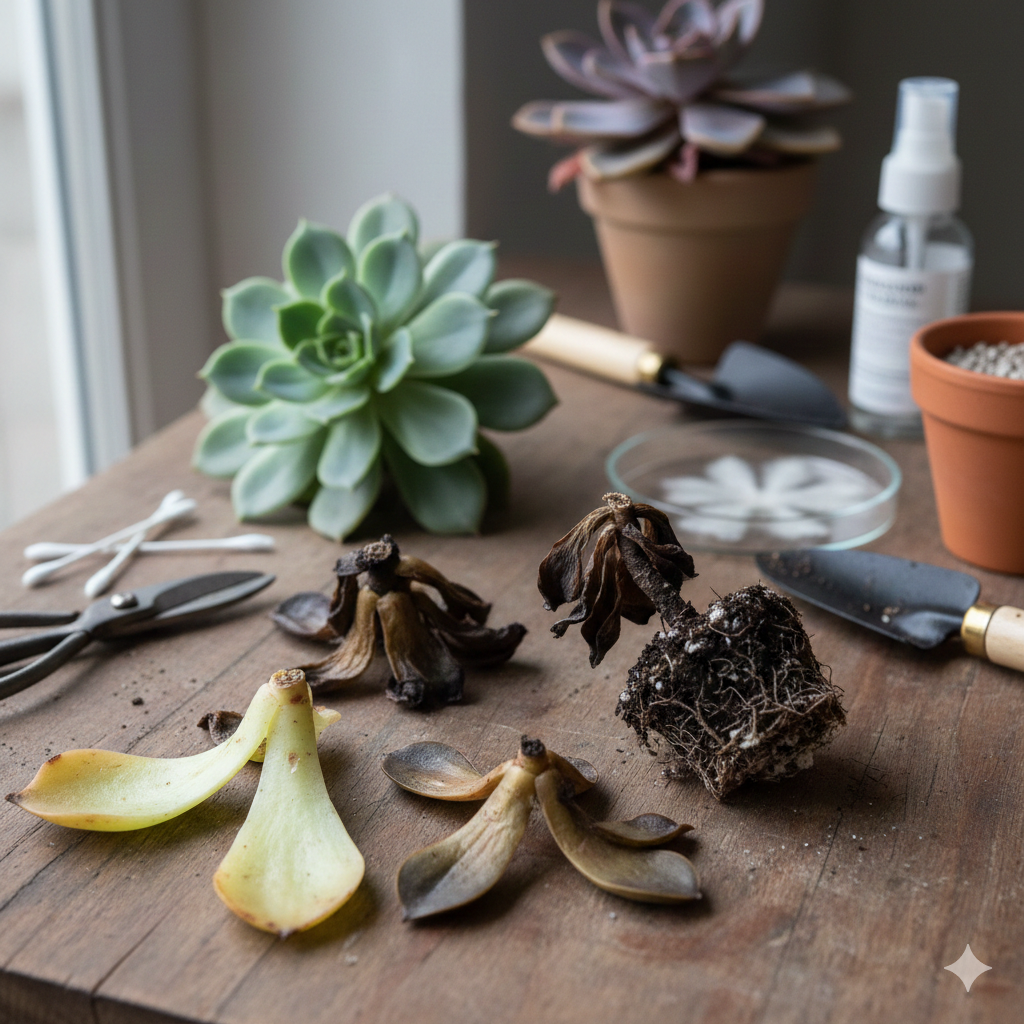
Before using sprays or treatments, remove as many pests as possible by hand. This reduces the infestation and makes follow-up treatments more effective. Aphids and spider mites can often be rinsed off with a steady spray of water from a spray bottle or faucet. For tougher pests like mealybugs and scale, use tweezers or a cotton swab dipped in 70% isopropyl alcohol. Remove pests by hand or dab them directly to kill them on contact.
Step 3: Natural and Home Remedies
After physical removal, treat the remaining insects and their eggs.
- Isopropyl Alcohol (70%): Isopropyl alcohol works as a contact treatment for mealybugs and scale. Apply it directly with a cotton swab, or use it in a spray bottle diluted 1:1 with water for larger plants.
- Neem Oil: Neem oil acts as a natural insecticide and fungicide. It can disrupt pest life cycles and reduce feeding. Dilute it according to the product label, add a drop of mild dish soap to help it mix with water, then spray the entire plant, including the undersides of leaves.
- Insecticidal Soap: Store-bought insecticidal soaps can be effective for soft-bodied pests like aphids and mites. They work by breaking down the insect’s outer layer.
Step 4: Chemical Treatments (If Necessary)
If an infestation is severe or persistent, a chemical insecticide may be needed. Some products are systemic, meaning the plant absorbs them and pests are affected when they feed. Read labels carefully and follow all directions, especially when using these products indoors.
Step 5: Treating the Soil
If the problem is in the soil, as is often the case with fungus gnat larvae, focus treatment there. Allow the soil to dry out completely between waterings. Fungus gnat larvae thrive in moist soil, and dry conditions can eliminate them. You can also replace the top 1 to 2 inches of soil with fresh mix, or drench the soil with a solution of 3% hydrogen peroxide and water (one part peroxide to four parts water).
Post-Treatment Care and Recovery
After treatment, monitor your plant closely while it recovers.
- Monitoring: Keep the plant isolated for at least two weeks and check it daily for signs of returning pests. Multiple treatments may be necessary to fully eliminate an infestation.
- Avoid Sun Damage: Plants treated with oils or alcohol can be more prone to sunburn. Keep the succulent out of direct sunlight for a few days to prevent leaf scorch.
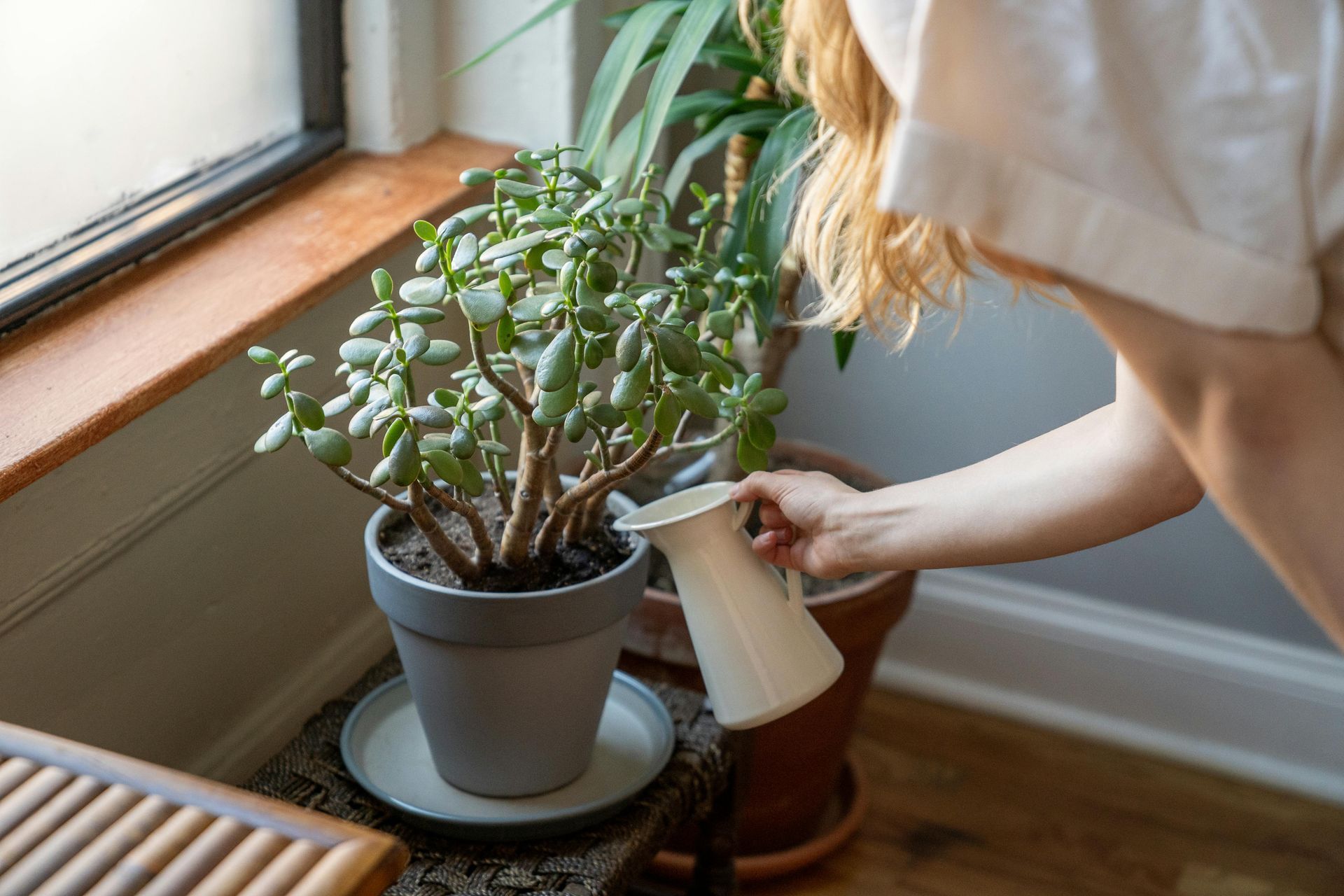
- Watering: Many pests, including fungus gnats, thrive in moist conditions. Use a watering routine that allows the soil to dry out completely between waterings.
Prevention Strategies
Prevention is the best long-term solution. A healthy, well-cared-for succulent is less likely to struggle with pests.
- Quarantine New Plants: Isolate new plants for at least two weeks before adding them to your collection. This gives you time to check for hidden pests and prevents accidental spread.
- Maintenance: Provide the right conditions for your succulents so they can stay strong. Healthy plants are better able to tolerate minor pest pressure.
- Regular Inspections: Inspect plants regularly, especially when watering. Check leaf crevices, stem joints, and the soil surface for early signs of pests.
Protect Your Succulents from Pests
No one likes pests on their plants, but it is something most plant owners deal with from time to time. When you identify the pest correctly and act quickly, you can usually restore your succulent to full health. The key is consistency and early detection.
If you want extra support for pest control or general plant care, consider booking a spot at a Plant & Sip workshop. Plant & Sip creates a relaxed, supportive space where they can walk attendees through hands-on care techniques and help them build confidence with succulents and other houseplants.
Plant & Sip Latest News