Soft, Mushy, or Discolored Succulent Leaves? Here's What to Do
Have you ever noticed that some of your succulent’s leaves have turned a shade of yellow, brown, black, or gray? Perhaps they’re no longer firm, but limp and mushy. If so, you’re not alone. In fact, discoloration or softness in succulent leaves is one of the most common concerns plant parents have. After all, if your plant is not looking quite right, there’s often a problem that needs to be addressed and corrected. The good news is that this guide will help you understand what’s happening to your succulent’s leaves and explain, step by step, exactly what to do next. With a little effort, you can nurse your plant back to health and keep it growing strong for many seasons to come.
In most cases, when a succulent’s leaves are soft, mushy, or discolored, it is due to overwatering. Giving a succulent too much water can lead to root rot, which is a common and often treatable problem. That said, pest infestations and fungal diseases can have similar symptoms, so it’s important to make an accurate diagnosis before treating the plant. A little detective work will go a long way in getting your plant back on track and thriving.
Primary Cause and Diagnosis: Overwatering and Root Rot
Because they evolved in dry, desert-like climates, succulents are especially sensitive to overwatering. Succulents are designed to store water in their leaves, and too much moisture causes stress. If there’s one thing you can do to keep your succulent healthy, it’s monitoring for and responding to signs of overwatering. Spotting the symptoms early can make all the difference.
Identifying the Symptoms
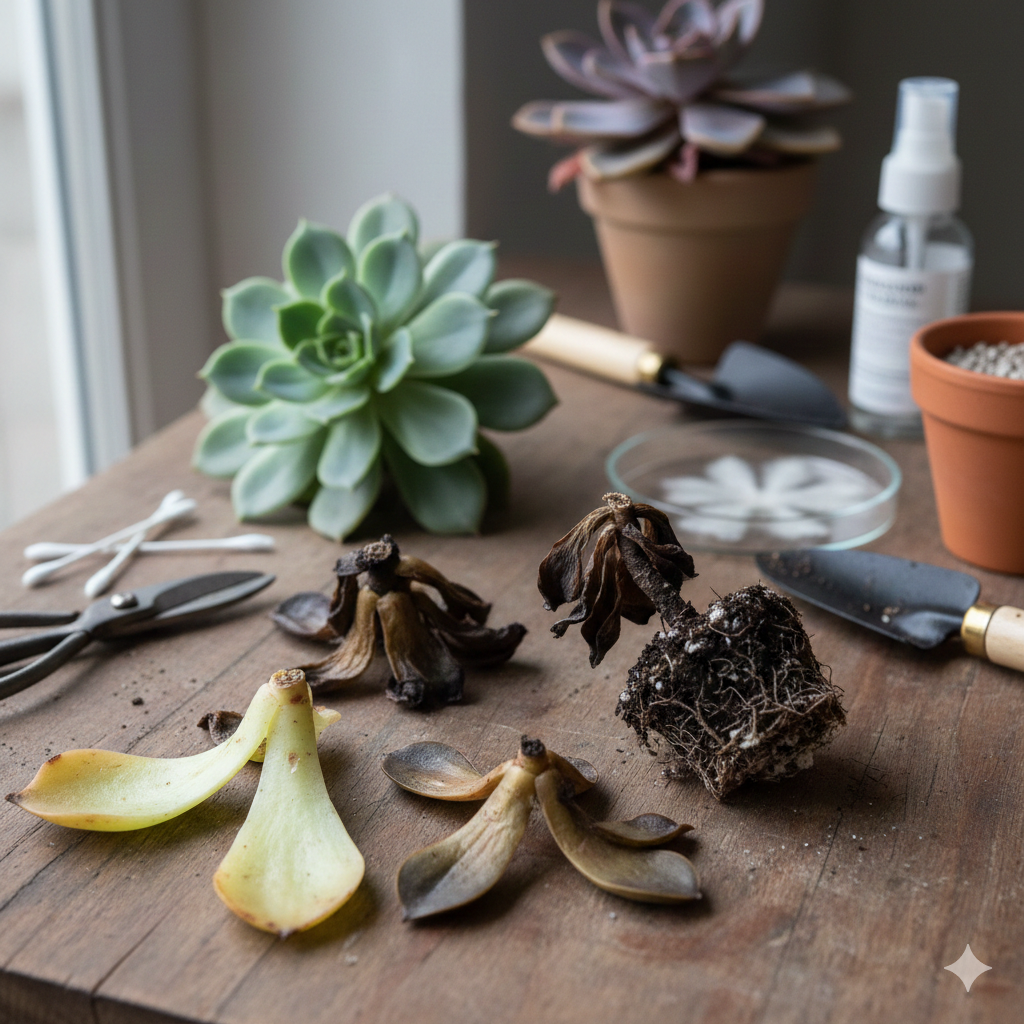
Overwatering is easy to identify. You’ll notice the leaves begin to turn yellow or even translucent, typically at the base of the plant. They’ll also begin to soften and lose their structure, becoming mushy instead of firm. In severe cases, the leaves may drop from the plant when touched.
The Science Behind Root Rot
Constantly wet soil around a succulent’s roots deprives the roots of oxygen, suffocating the plant and creating a moisture-rich environment in which fungi flourish. As these fungi break down the plant’s roots, the roots become damaged and lose their ability to take up water and nutrients. The leaves and stem of the plant will then begin to decline.
Diagnostic Steps
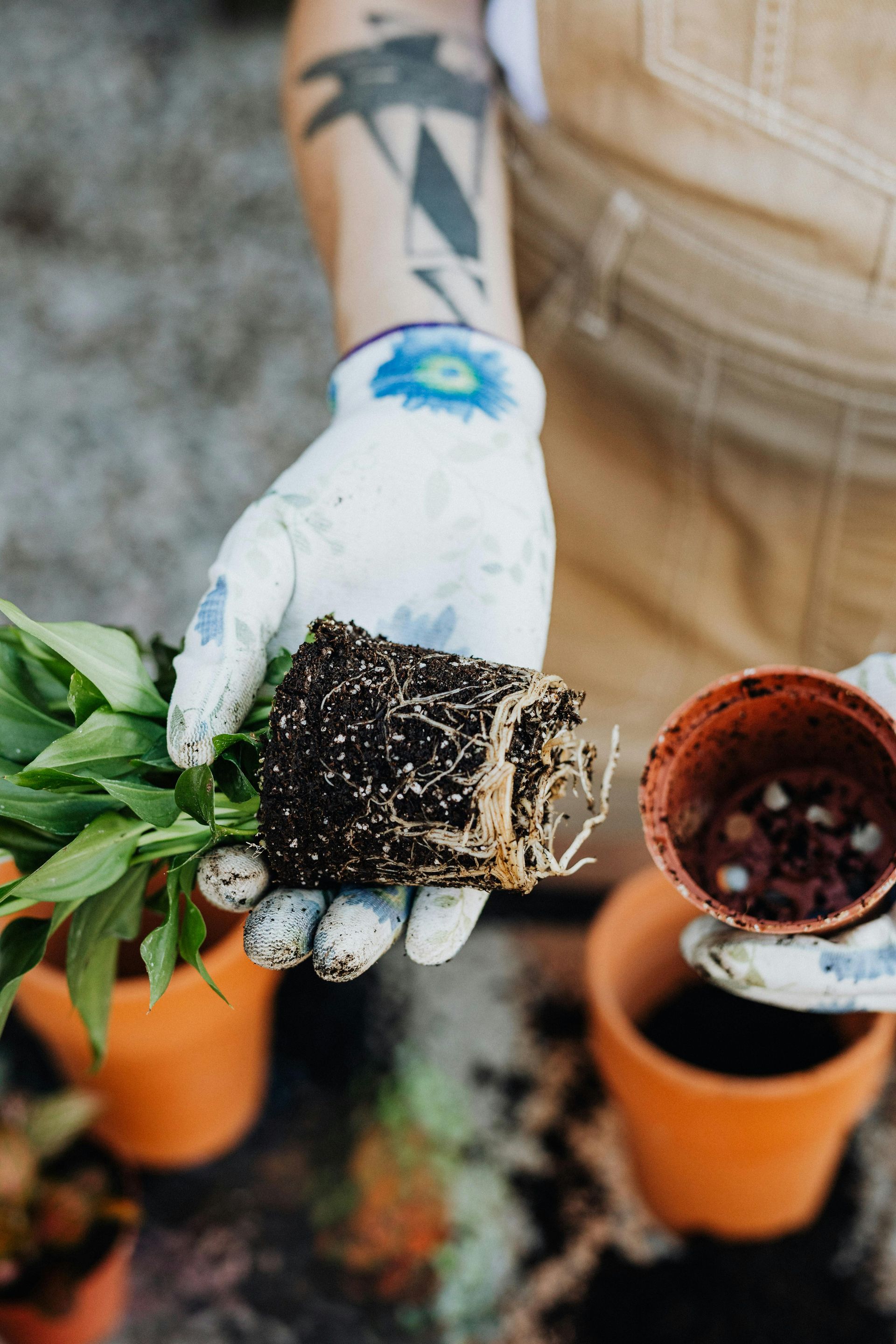
To confirm that your succulent is suffering from root rot, you’ll need to examine its roots. Gently remove the plant from the pot and carefully brush away the soil from the roots, taking care not to damage the roots or stem. Healthy roots will be white or light in color, firm, and relatively smooth. Roots that are dark brown or black, soft and mushy, or foul-smelling are clearly rotted.
Other Potential Causes of Unhealthy Leaves
While overwatering is the most common cause of soft or discolored succulent leaves, a few other issues can cause similar symptoms.
Pest Infestations
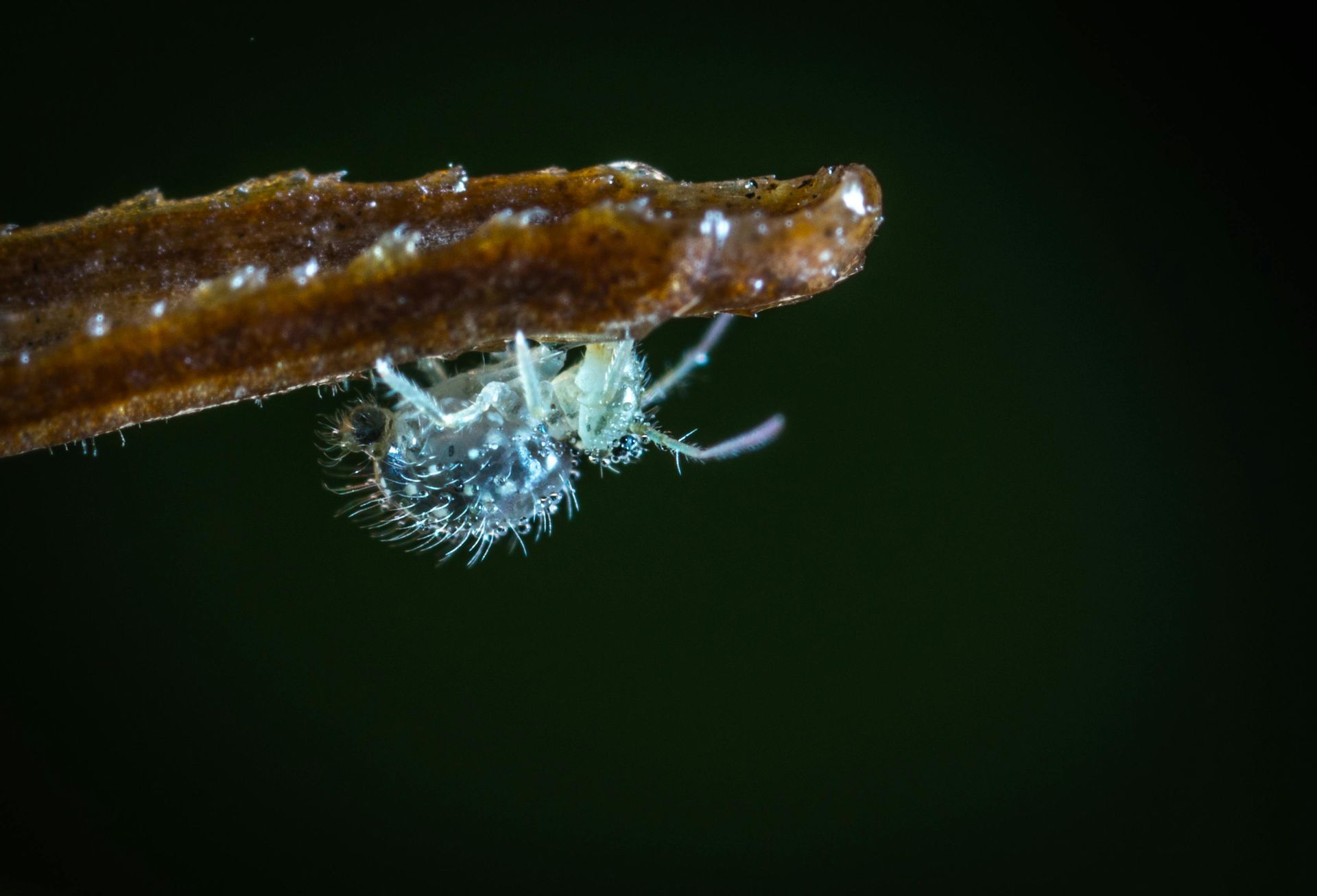
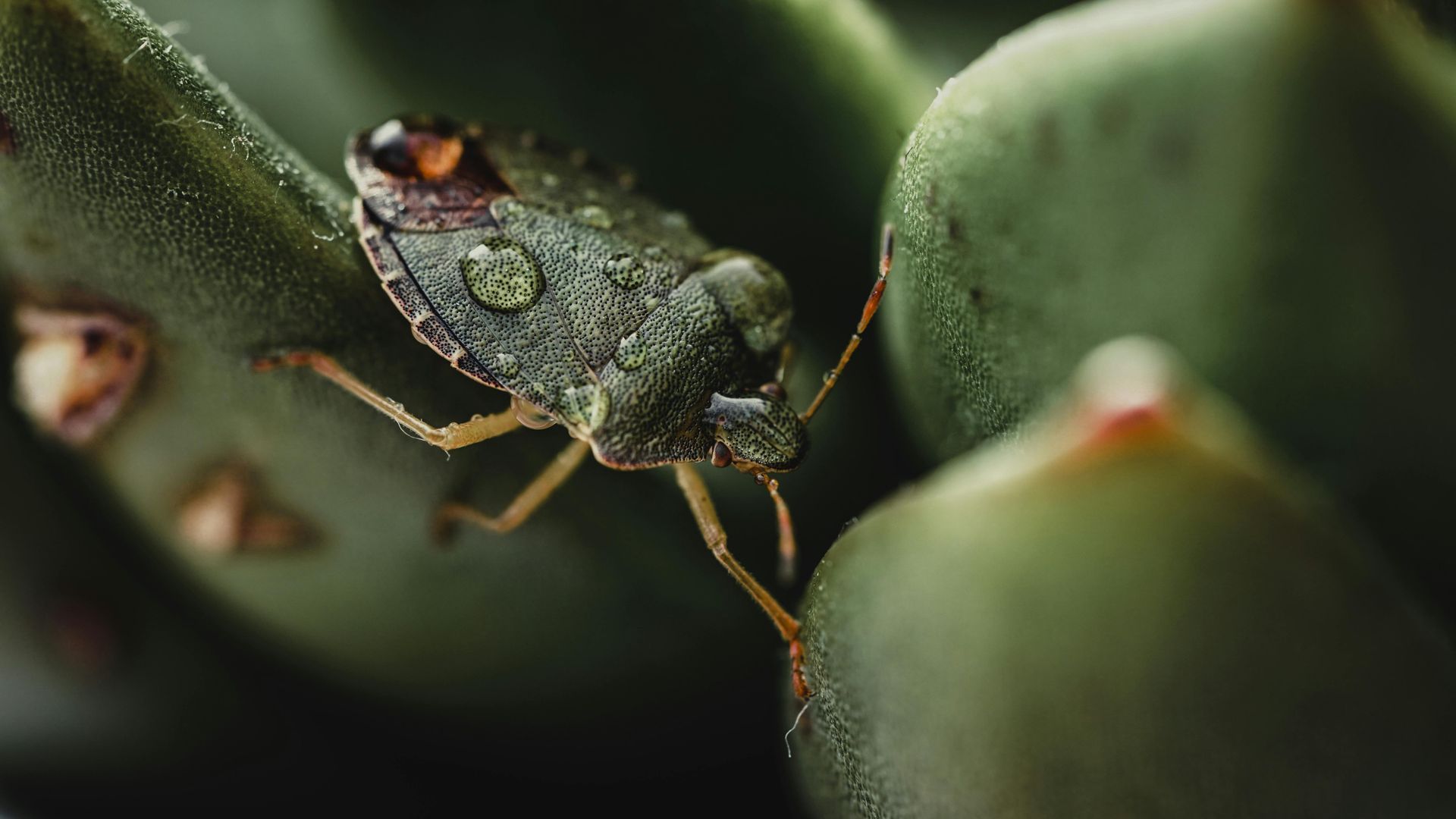
Mealybugs or aphids are among the most common pests that damage succulents. These pests feed on the sap of the leaves, which can cause yellowing, discoloration, misshapen growth, or wilting. You may also notice a sticky residue on the leaves called “honeydew,” which is another indication that pests are present. In the event of a pest infestation, it is important to act quickly. Move the plant away from other succulents so the infestation does not spread. An easy way to treat the problem is to take a cotton swab, dip it in 70% isopropyl alcohol, and dab it on any visible pests. The pests will usually disappear quickly using this method.
Fungal Diseases
Fungal issues, such as powdery mildew, can also take hold in succulents. These types of fungi tend to show up when humidity is high or air circulation is poor around the plant. Signs of a fungal infection include a white, powdery coating on the leaves. If you suspect a fungal disease, increase air circulation around the plant by moving it to a more open area. If the problem persists, a fungicide treatment can be effective, but be sure to follow the instructions carefully and completely.
Natural Leaf Absorption (Senescence)
Be sure to differentiate between a problem and your plant’s natural growth cycle. It is perfectly normal for the oldest leaves at the base of a succulent to dry out, become crispy, and fall off. In this case, your succulent is reabsorbing nutrients and water from those leaves to help fuel new growth at the top of the plant. This is a healthy, natural process and is nothing to worry about.
Prevention: Best Practices for Long-Term Health
The best way to treat succulents is to prevent problems in the first place. Incorporating a few best practices can make a big difference in keeping your plants healthy over time.
Proper Watering Technique
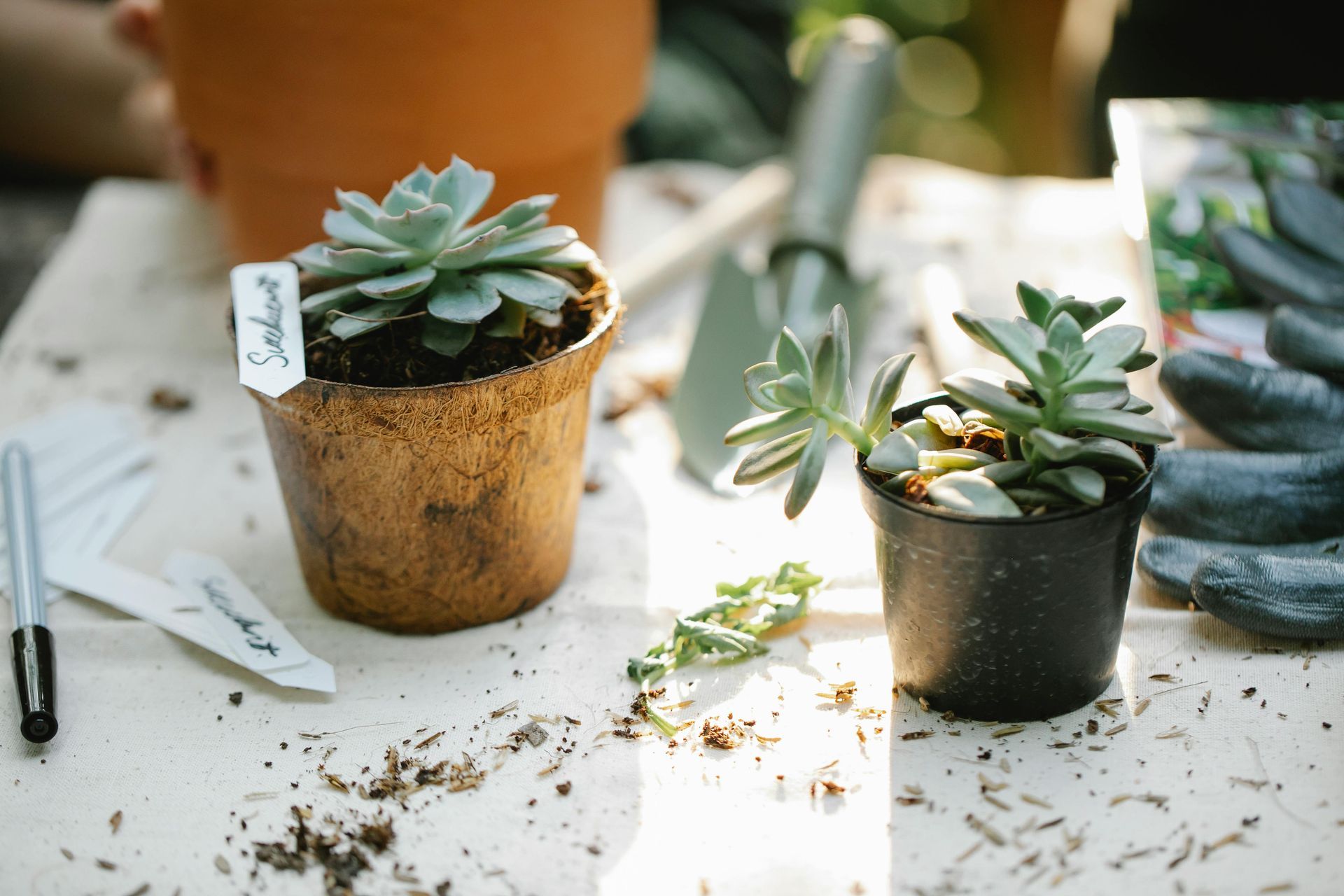
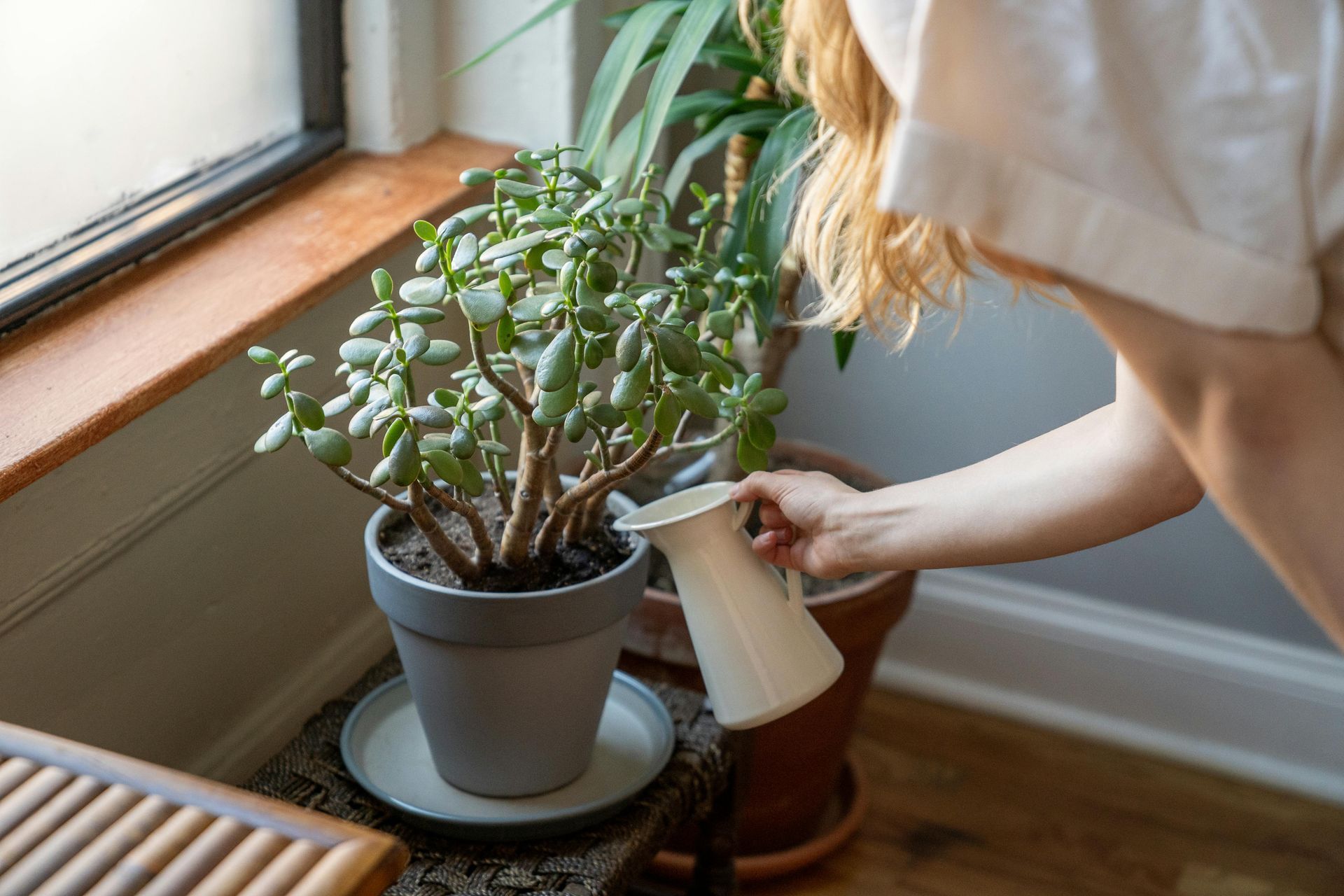
Watering using the “soak and dry” method is best. Succulents should be watered thoroughly until the soil is completely saturated and water drains from the bottom of the pot. Then, do not water again until the soil is completely dry. Avoid watering on a strict schedule. Instead, get in the habit of using your finger or a simple skewer to test the soil for dryness before watering. Your plants will be much happier if you let the soil tell you when it’s time to water.
Importance of Correct Pot and Soil
Always use a container that has drainage holes. Succulents are extremely sensitive to overwatering and soil that does not dry out, and drainage holes allow excess water to escape. Choosing a fast-draining, gritty soil mix designed specifically for succulents and cacti is key. A good blend will keep water from pooling around the roots and help prevent many issues.
Adequate Light and Air Circulation
Adequate light is also important. Proper sunlight not only helps your succulents absorb water correctly, but it also prevents them from becoming leggy or stretched. Air circulation matters, too. Good airflow around a succulent helps the soil dry more quickly and reduces the chance of root rot and other moisture-related issues.
Regular Inspection
Regularly inspecting your succulents is also beneficial. Take time to examine the leaves, stems, and soil for early indications of pests, disease, or moisture problems. If you catch an issue early, it is much easier to correct, and your plant will recover more quickly.
Inspect Your Succulents and Continue Learning
Succulents are fairly straightforward plants, and their health often reflects their environment and care. If you find that your succulent’s leaves are soft or mushy, it is most likely the result of overwatering or root rot. Fortunately, the problem can typically be resolved by following the steps above. Prevention is even better, so incorporate these watering and maintenance tips into your regular care routine to stop problems before they start. Take a few minutes to look over your succulents now, checking for any odd discoloration or mushy leaves. If you find anything, don’t hesitate to use these steps to set things right.
If you could use more help, or enjoy learning by doing, consider a workshop with Plant & Sip. They offer hands-on instruction in succulent care and maintenance, along with tips for treating issues like mushy leaves and other plant health concerns, plus guidance for designing stylish arrangements. If you want more confidence and a stronger routine, Plant & Sip can help you build the skills to keep your succulents healthy for years.
Plant & Sip Latest News