How Often Should You Water Your Succulent? A Complete Guide
New succulent owners often do one thing wrong: they water their plant incorrectly. Succulents are hardy little plants, but they still need you to provide them with the right moisture levels. In fact, watering your succulent is probably the most important thing you can do to make sure your new plant thrives. Of course, the best way to water a succulent is different for each person, because every succulent, home environment, and growing condition is different. The way you determine the watering schedule for your plant is often more important than the exact schedule itself. Succulent care at home requires a bit of flexibility on your part.
Start to familiarize yourself with the signs your plant and soil show you so you know when your succulent needs water. With that in mind, you’ll also need to pay attention to the other factors that influence how often you water. With a bit of attention, you should be able to create a simple routine that works for you. If you’re ready to learn the ins and outs of succulent watering, this guide is for you. This guide covers the general technique for watering, the things that can affect how often you water your plant, and the best ways to check in on your succulent to help it stay healthy.
The Fundamental Rule of Succulent Watering: "Soak and Dry"
If you really want to have success with your succulents, you’ll want to adopt a “soak and dry” method of watering. This method is straightforward: the soil is watered completely, and water flows freely out the bottom of the pot before the plant is left to dry out. Water your succulent in this way, and you simulate the plant’s natural growing environment: a good, steady rain that is quickly followed by dry, sunny days.
Defining the "Soak and Dry" Method
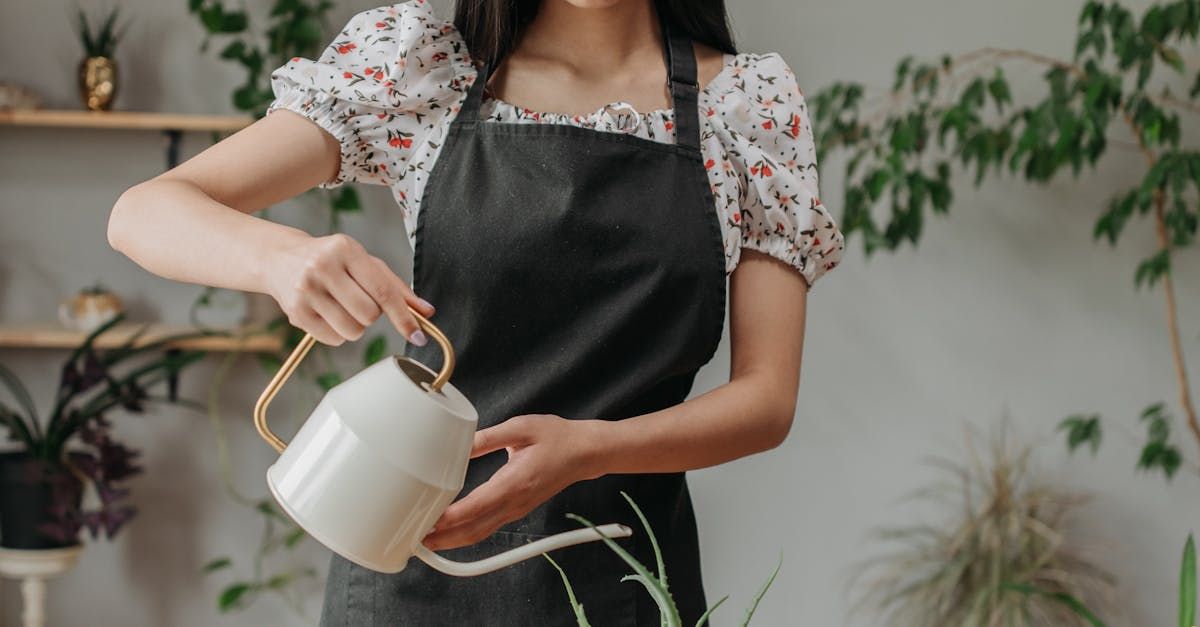
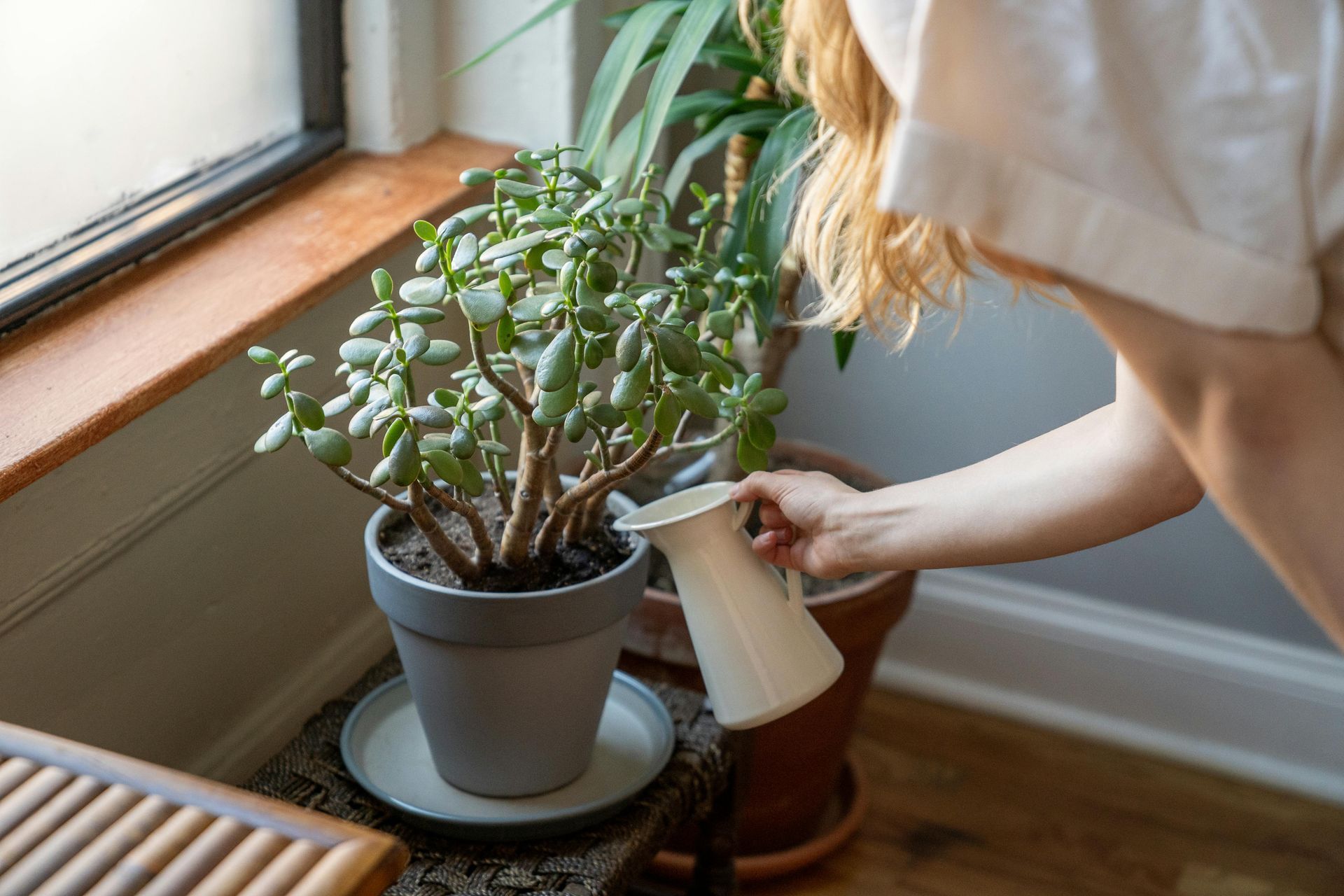
The “soak and dry” watering technique could not be simpler: Water your plant thoroughly until water comes out the drainage hole in the bottom of the pot, and then wait until the soil is dry before watering your succulent again. That’s all there is to it!
Why This Method Prevents Root Rot
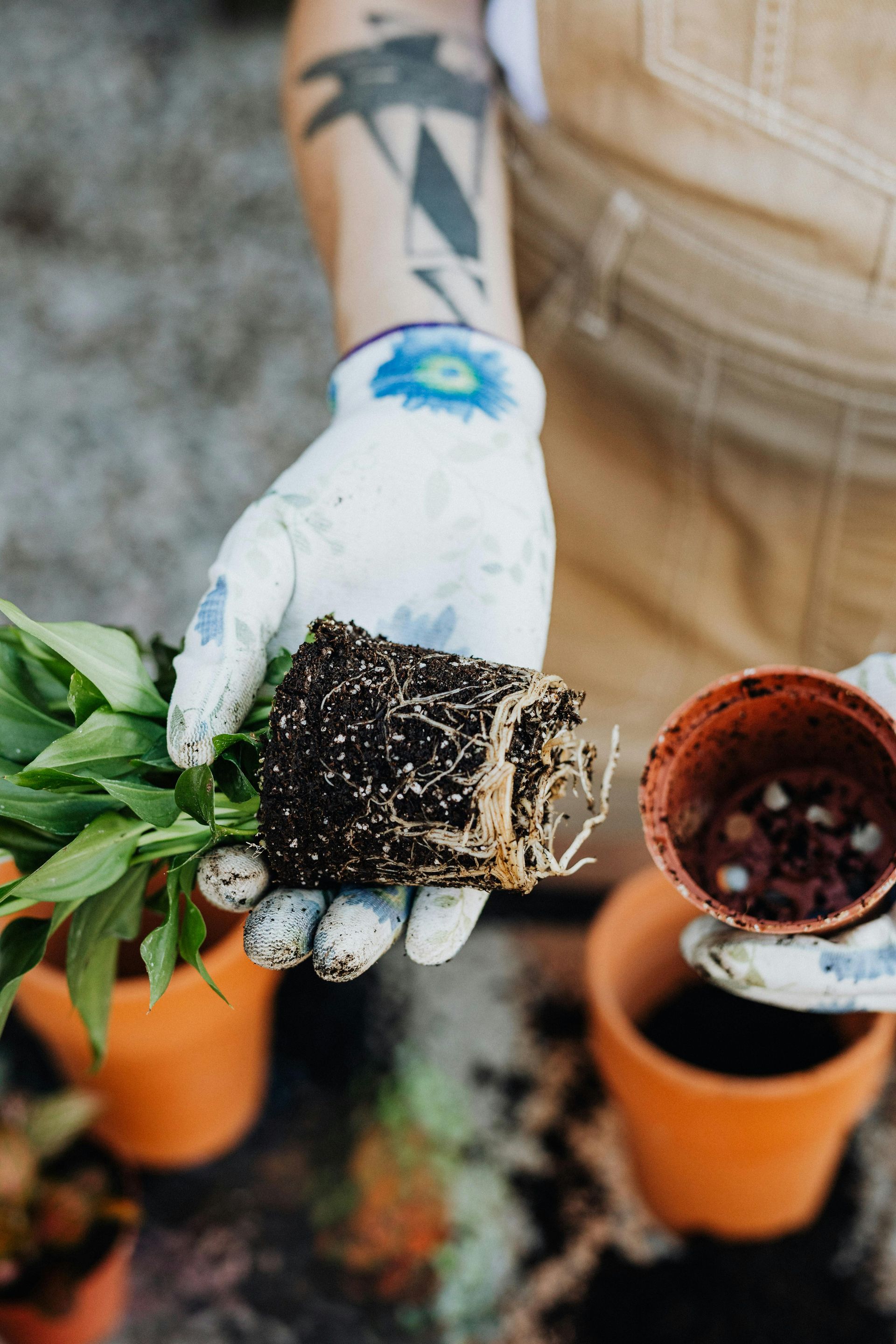
The leading cause of most succulent problems is root rot. Root rot is a condition caused by roots sitting in too much water for too long. If the soil remains too wet for an extended period, it essentially creates a breeding ground for fungus. This fungus can lead to rot in your plant’s root system. The “soak and dry” method really lets the soil dry out, and it also gives the soil a chance to breathe. This simple, two-part method is one of the best ways to prevent problems that arise when your succulent’s roots are kept too wet for too long.
Key Factors Influencing Watering Frequency
The watering schedule for your succulent can change based on different factors. There’s no fixed day of the week or month that you need to water your succulent. Once you learn to recognize these variables, it will be easy to account for them as needed. This will keep your routine simple and your plant healthy.
Pot and Soil Composition
The type of pot and the composition of your soil are two variables that can affect how fast your succulent dries out after watering. Succulents prefer a well-draining potting soil with coarse sand and perlite added for even better drainage. Cactus potting soil works well, as does succulent potting soil. Do not use regular potting soil, because it retains far too much moisture and can create an ideal environment for root rot.
Most succulent growers prefer terracotta pots. This is because terracotta is an unglazed clay pot, which means the walls of the pot allow moisture to escape. Moisture retention is greater in glazed ceramic pots or plastic pots. No matter what type of pot you use, make sure it has a drainage hole.
Environmental Conditions
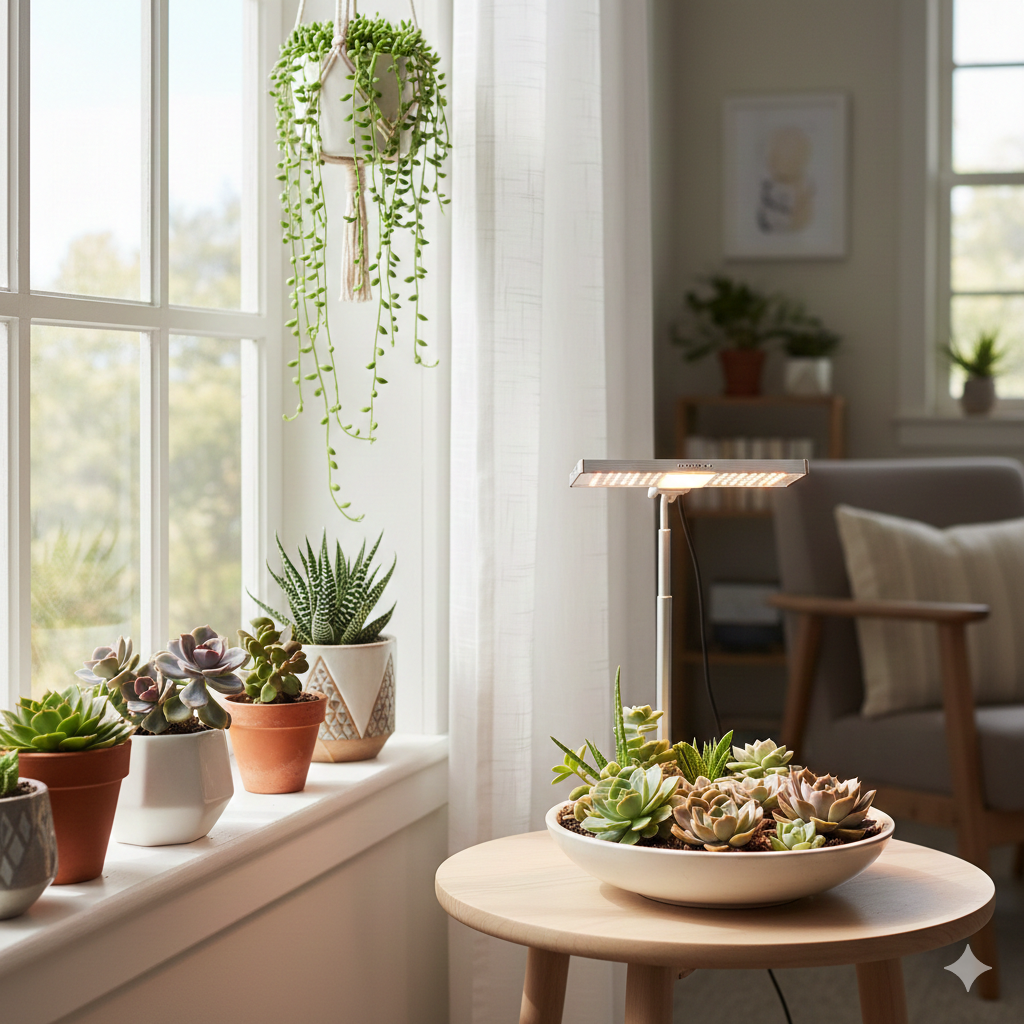
Location is another major variable that affects how quickly your succulent needs water. If your succulent is in a spot that gets bright, direct sunlight, it will likely need water more often than a plant in a less sunny area.
This is because the sun encourages a succulent to grow more quickly. That means it needs more moisture to support new growth. Similarly, higher temperatures and low humidity also encourage faster drying of the soil.
Seasonal Adjustments
Succulents have an active growing season and a rest period. During the growing season (spring and summer), you’ll need to water your succulent more frequently to accommodate new growth. Once the growing season ends, your succulent won’t need nearly as much water.
Since most people grow succulents indoors, seasons are usually the best indicator. In spring and summer, you’ll likely water about once every two to four weeks, though, depending on the other variables, you may find that more or less works best.
How to Identify When Your Succulent Needs Water
One of the best ways to figure out if your succulent needs water is to check the soil and the plant itself. Succulents show signs when they are thirsty, and a simple soil check tells you a lot. It’s easy to learn these signs, and they are often the best indicator of when to water.
The Soil Test (Primary Indicator)
Always check the soil before you water your plant. There are several easy ways to do this. You can stick your finger about an inch into the soil and move it around slightly. If the soil still feels even slightly damp, you do not need to water. Another trick is to use a dry wooden skewer or chopstick. Stick it all the way down into the pot and pull it back out. If it comes out with damp soil on it, the soil is still wet, and you need to wait a little longer. A third method is to learn the weight of your plant when it is dry. Once you have watered your plant and allowed the soil to dry out, you will have a sense of how the weight changes.
Visual Cues from the Plant (Secondary Indicators)
A thirsty succulent can also provide visual cues. The plant may have leaves that are a little wrinkled, soft, or slightly deflated. These are common signs that your plant is starting to use its water reserves and should be watered soon.
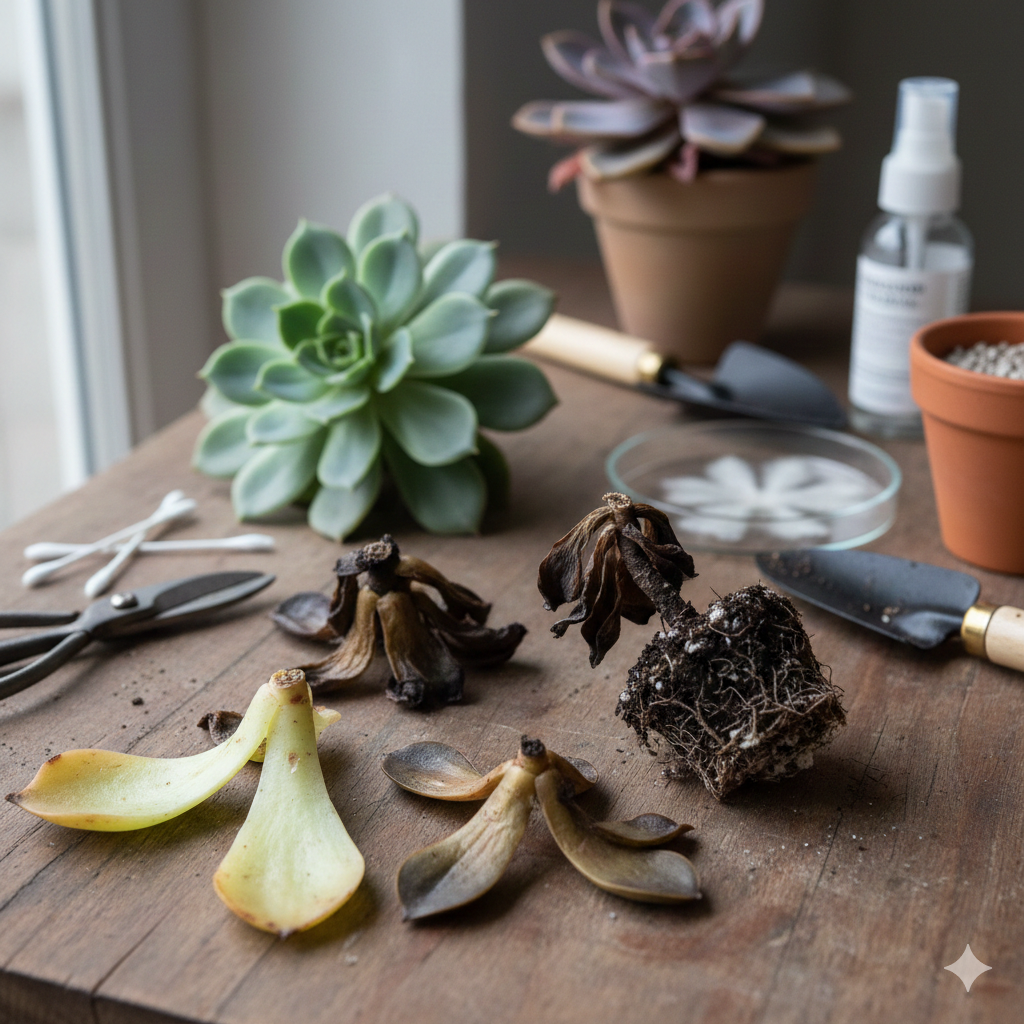
If you are overwatering your succulent, the plant will also show you, often with yellow, translucent, mushy, or soft leaves at the bottom of the plant. This is a red flag that the roots are too wet, and the plant may be starting to rot. If this happens, stop watering and allow the soil to dry out.
The Correct Technique for Watering a Succulent
The way you water your succulent is just as important as when you water. The technique you use is critical for helping your plant take in the water it needs without drowning its sensitive roots or oversaturating the pot.
Step-by-Step Watering Process
- The first step is to make sure your soil is dry using one of the methods above.
- Place the pot in a sink or on a tray that can catch any extra water.
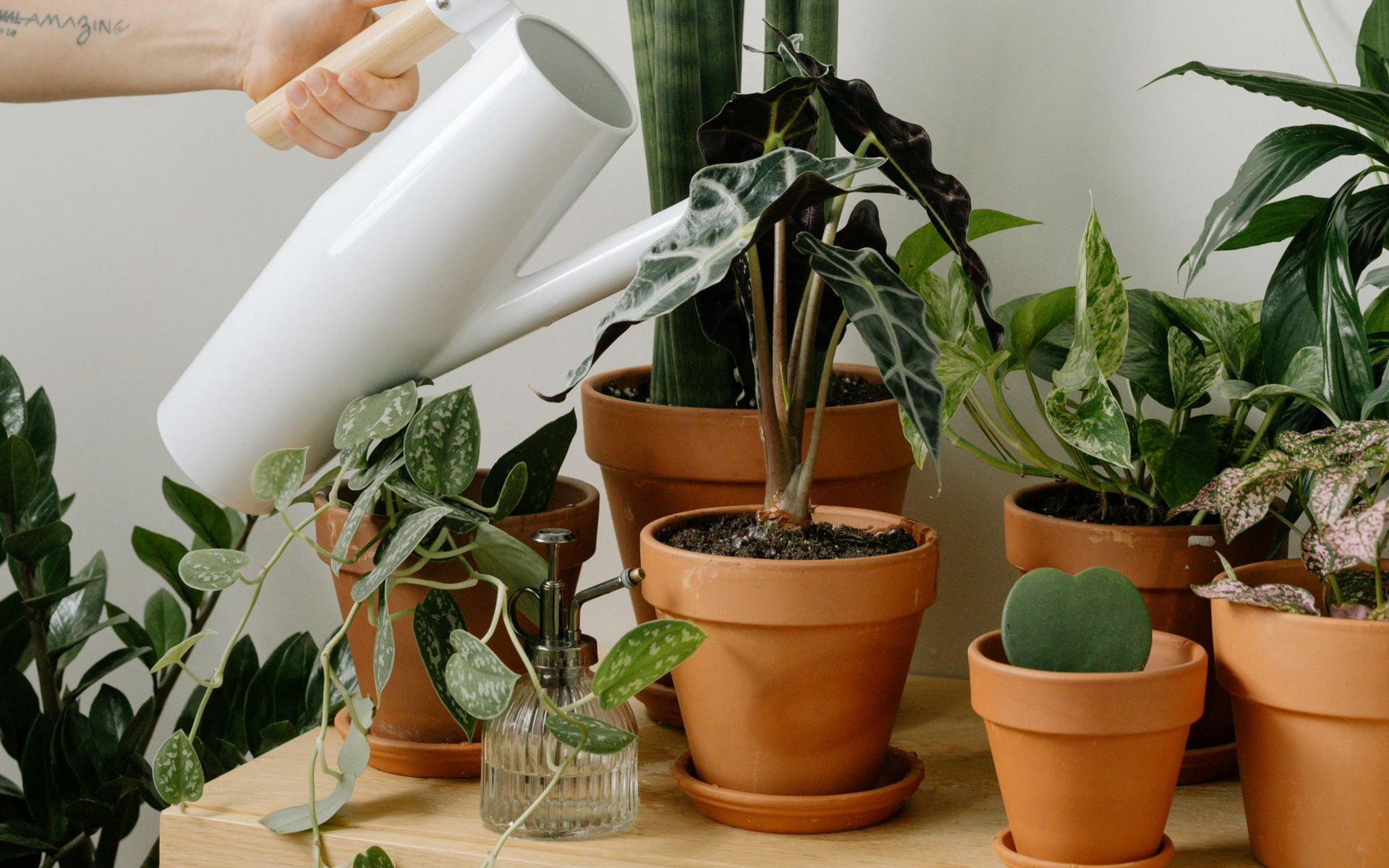
- Start applying the water slowly and evenly over the surface of the soil. Try not to pour water directly onto the plant.
- Continue watering until water starts to flow freely from the drainage hole.
- Allow the pot to drain for a few minutes so excess water can drain away.
- Finally, remove the pot from the saucer or tray and empty any water that has collected. Letting the pot sit in standing water is one of the quickest ways to cause root rot.
Common Mistakes to Avoid
There are a few common mistakes to avoid that can set you up for success:
- Misting your plant: A spray bottle does not provide enough moisture to a succulent’s roots. In addition, misting can promote fungal growth on the leaves.
- Watering on a set schedule without checking whether the soil is dry.
- Not using a pot that has a drainage hole.
- Allowing the pot to sit in a water-filled saucer or tray.
Take the Next Step with Plant & Sip
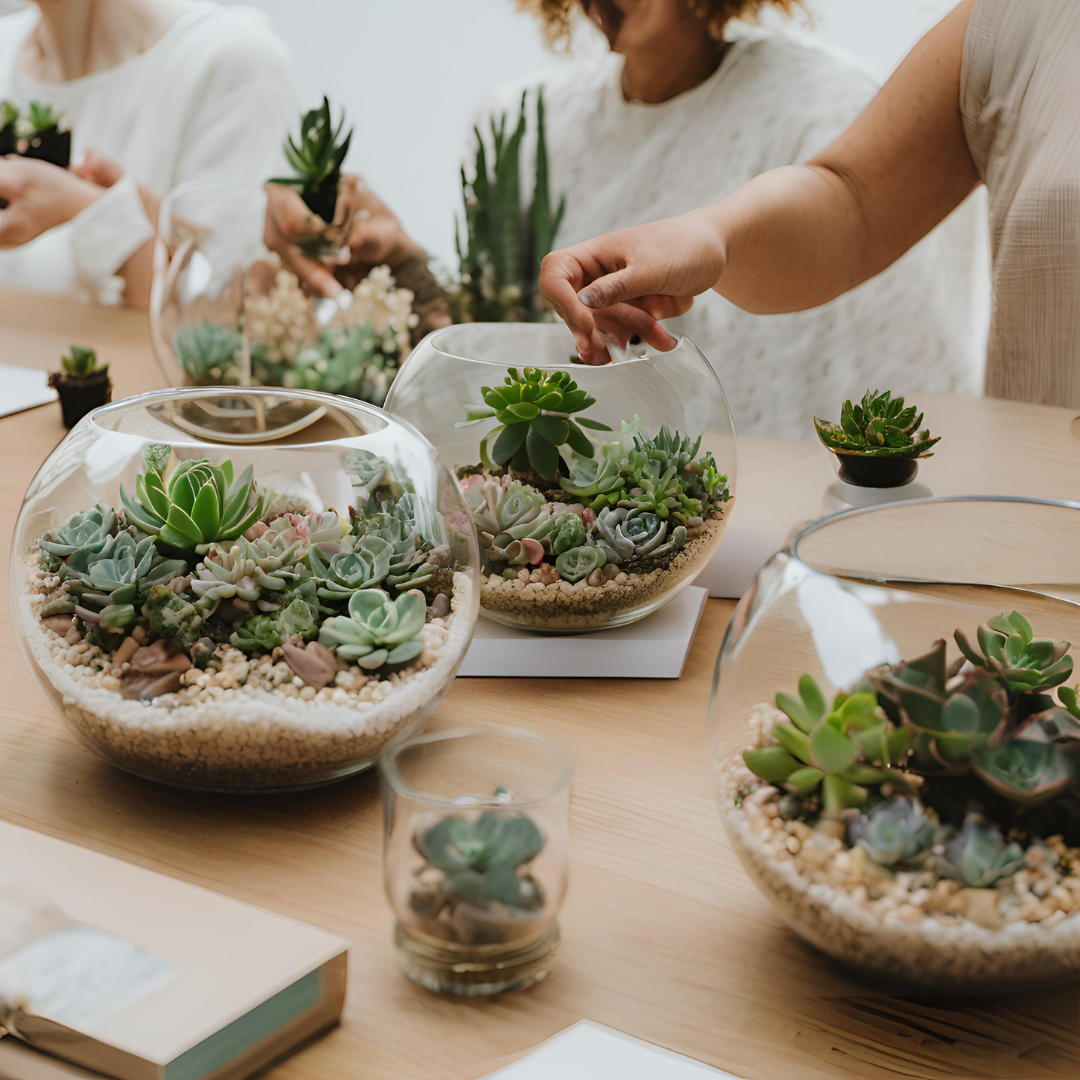
It’s worth repeating that learning to water your succulent properly comes down to being observant and responding to the conditions your plant is in. When you use a “soak and dry” approach and monitor your pot, soil, environment, and the seasons, you set your plant up for long-term success. If you want a fun way to learn more and get hands-on help,
Plant & Sip offers classes where they guide you as you create your own arrangement, share tips and tools for at-home care, and help you enjoy a creative environment while learning more about succulents.
Plant & Sip Latest News