Mealybugs on Succulents? Here's How to Treat and Prevent Them
Mealybugs are every succulent owner’s worst nightmare. They can spread quickly and may cause damage before you notice them. While succulents are hardy, low-maintenance houseplants, they’re not immune to these pesky little white bugs. Left untreated, an infestation can severely damage a plant and may spread to others, from your windowsill to your greenhouse. This guide will help you protect and care for your succulents, so you can enjoy thriving plants without the stress of pests.
Addressing the problem quickly with the right approach is key to getting rid of them and keeping your succulents healthy. In this article, we cover everything you need to know about mealybugs, including how to identify them, the damage they cause, and our recommended treatment and prevention tactics.
How to Spot Mealybugs
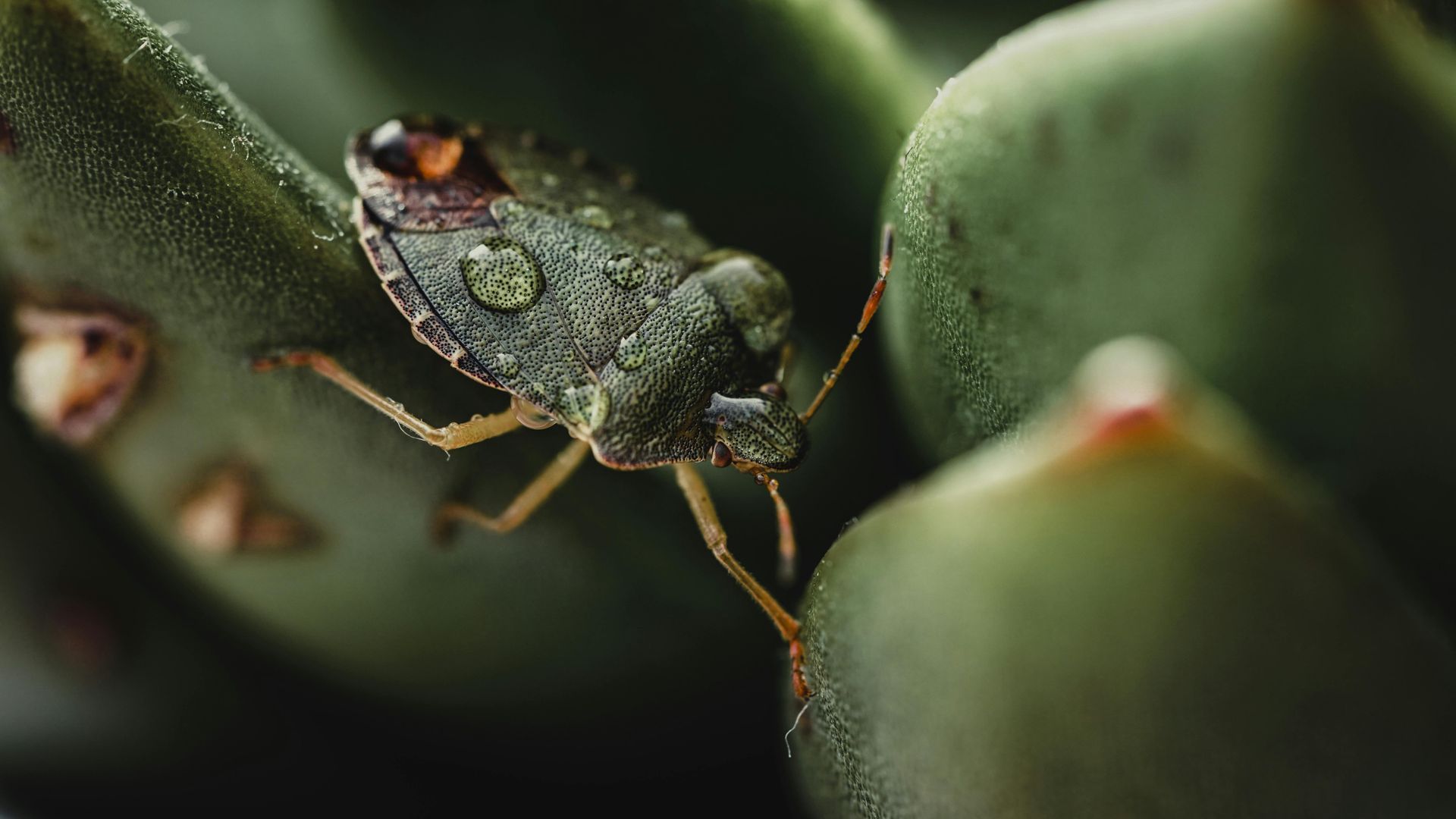
They’re fairly easy to identify: white and fuzzy-looking, with a waxy coating, which makes them hard to get rid of if you don’t know what you’re doing.
Look for them clustered in hard-to-see areas, like where the leaves meet the stem, under leaves, or at the roots. Yes, there’s such a thing as root mealybugs. Because mealybugs often hide in tight, sheltered areas, you probably won’t know you have them until your plant is already heavily infested.
Mealybugs insert their mouthparts into the plant to feed on sap, which is where the plant stores its nutrients. This weakens the plant over time and can lead to yellowing leaves, stunted growth, and leaf drop.
Mealybugs also excrete a sticky substance called honeydew. This attracts ants, which protect the mealybugs from natural predators. Honeydew also leads to the growth of sooty mold, which can cover the plant's leaves and prevent it from receiving sunlight. Address this promptly to help protect plant health.
How to Get Rid of Mealybugs
Don’t just sit there hoping mealybugs will leave your succulents alone—grab a towel and do something about it. Follow these steps:
Step 1: Quarantine Affected Plant
The first thing you should do if you discover mealybugs on your plant is move it away from your other plants immediately. You don’t want those pesky critters crawling all over your other succulents. Isolate that plant in a separate room until you are certain that you’ve eradicated the pests. Quarantine for at least a couple of weeks.
Step 2: Pick the Bugs Off (If Needed)
If you have only a few bugs on your plant, you may be able to remove them physically:
- Spray the plant with water. Rinse them off with your faucet’s strongest stream of water. Make sure to do this outdoors or away from your other plants.
- Remove them with rubbing alcohol. Rubbing alcohol can dissolve the mealybugs' protective waxy exterior. Dip a cotton swab in at least 70% isopropyl alcohol and apply it directly to the insects.
Step 3: Time for Chemical Warfare
If your problem is more serious than just a few bugs here and there, you can try these insecticides:
- Insecticidal soap or neem oil. Both of these relatively harmless products work in a similar way. They essentially suffocate the insects, making it impossible for them to continue feeding on your plants. Spray the plant thoroughly, including areas where mealybugs like to lurk: under leaves and at leaf joints. Repeat every 7 to 10 days for a few weeks to kill any newly hatched generations of bugs.
- Systemic insecticide. Systemic insecticides work their way into your plant’s system so that when a bug bites into the leaves or stem, it ingests the poison. This is a good option if you have a severe infestation or are dealing with root mealybugs. It’s also your best bet for getting rid of bugs inside containers, such as pots. Use caution when using any kind of pesticide, and always follow label instructions. Pay special attention if your plants are outdoors; you don’t want to harm beneficial pollinators.
How to Prevent Mealybugs
Prevention is always easier than treatment when it comes to pests. These tips will help you avoid mealybugs on your succulents:
Isolate Newly Purchased Plants
Nine times out of ten, mealybugs come from another plant. When you purchase a new succulent, isolate it from your other plants for two weeks. Examine it during that time period for any signs of pests crawling around. Pay special attention to the joints in the leaves and under the leaves themselves.
Remove Dead Leaves and Debris
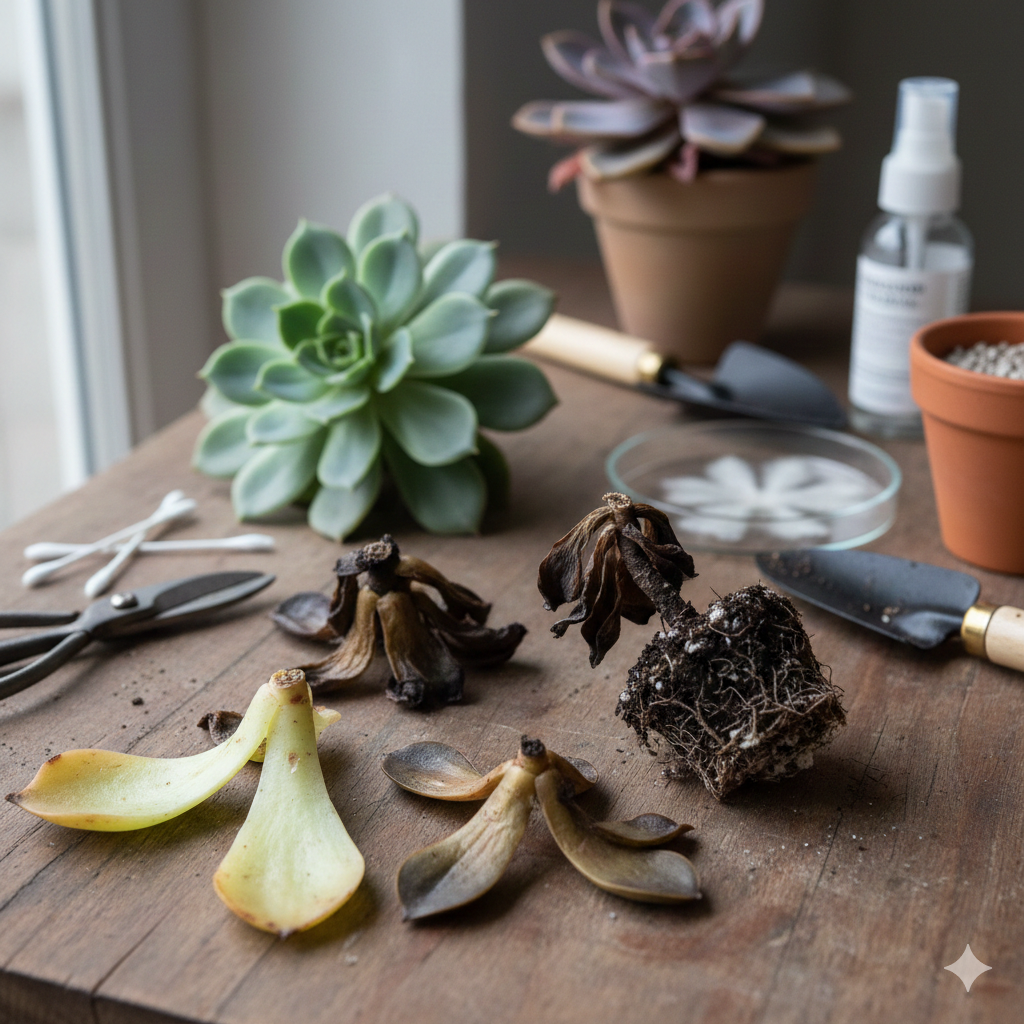
Dry leaves and other debris on the soil of your succulent can attract bugs. Make it a habit to clear away debris and gently remove dried leaves from your plants. A healthy plant that’s getting plenty of care is also more resilient should bugs find it.
Inspect Your Plants When You Water
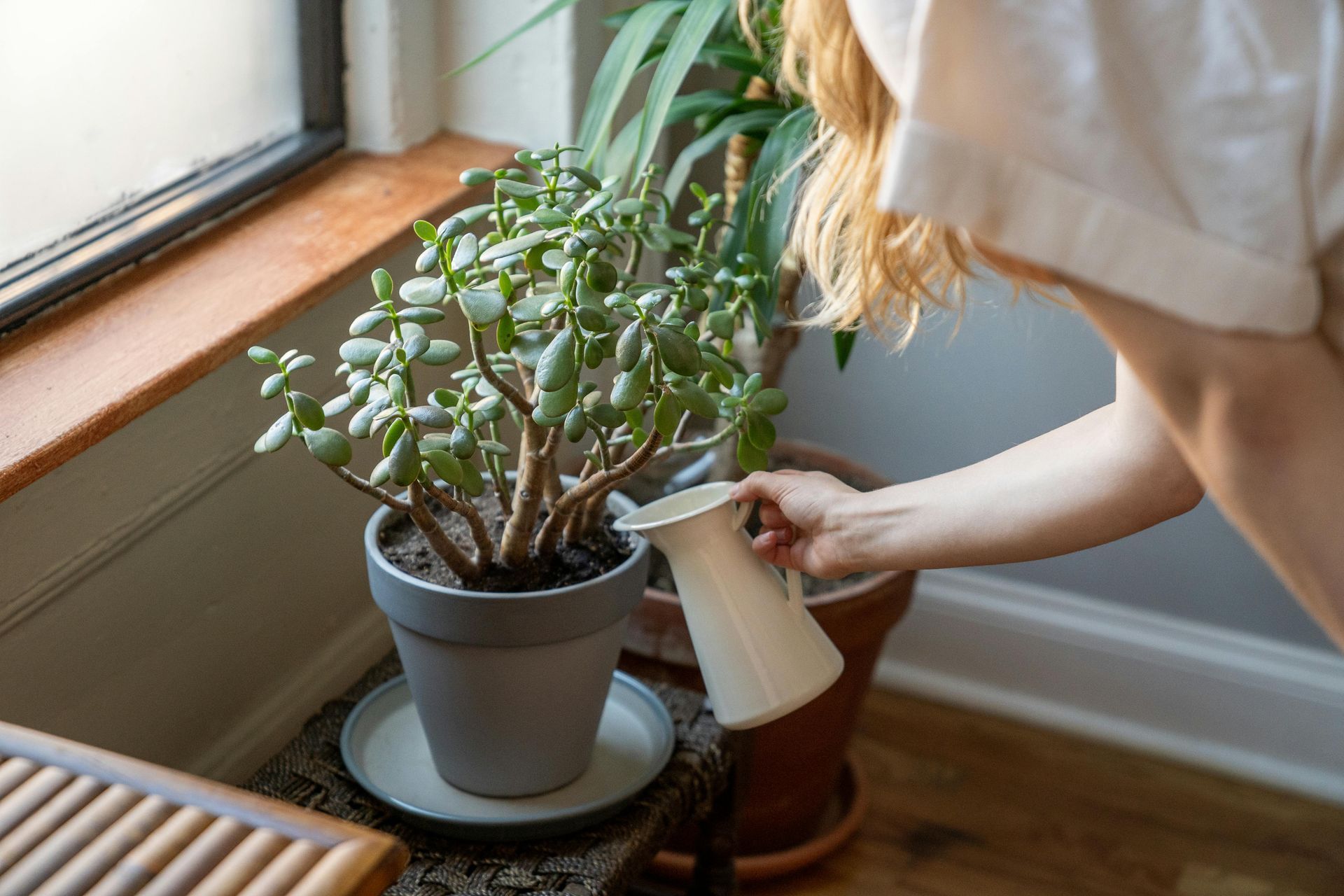
Checking your plants for pests should be part of your regular watering routine. Check the undersides of leaves, the bottom of the plant, and even the spaces around drainage holes. Small populations of mealybugs are easy to get rid of.
Keep Your Succulents Pest-Free
Dealing with pests is never fun, but mealybugs don’t have to become part of your plant care routine. Spotting them early and taking precautionary steps will help keep your plants happy and healthy. Maintenance is key when it comes to stopping pests in their tracks.
If you are looking for more pro tips on how to care for your succulents, sign up for a workshop at
Plant & Sip. If hands-on guidance would help, a workshop can make pest prevention and plant care feel more manageable. We offer workshops that cover a variety of topics to help you take your green game up a notch. In each class, we walk through practical care routines you can use at home. Our classes are taught in a fun, stress-free environment so you can learn everything you need to know to have healthy plants.
Contact us today to become a succulent guru and sign up for a workshop near you.
Plant & Sip Latest News