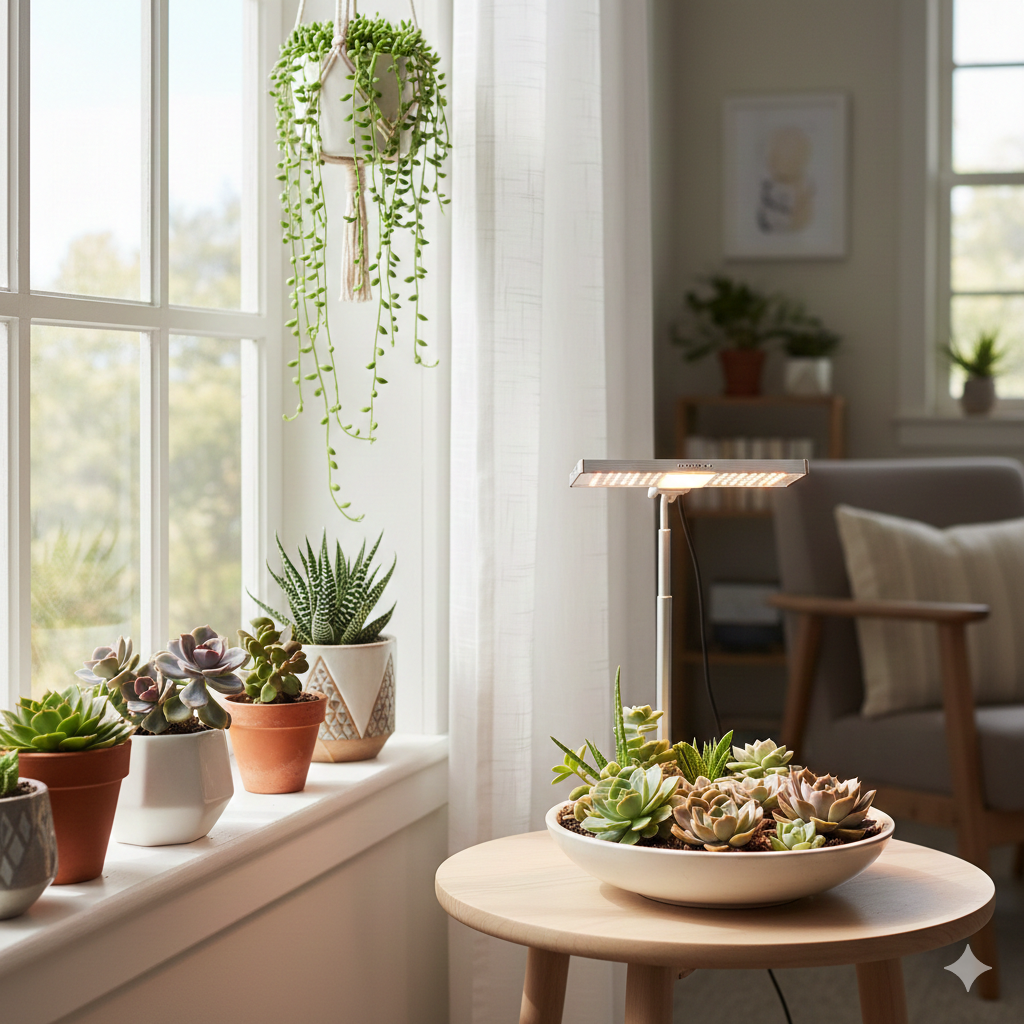
How to Care for Succulents During the Winter Months
Succulents are popular for their low-maintenance nature and ability to thrive in a variety of conditions. However, as winter approaches, the care needs of these resilient plants change. That is why understanding how to adapt your care routine is essential to keeping your succulents healthy during the colder months. Read on as we share tips on how to care for succulents in winter, so they stay vibrant and thriving.
Adjusting Watering Practices
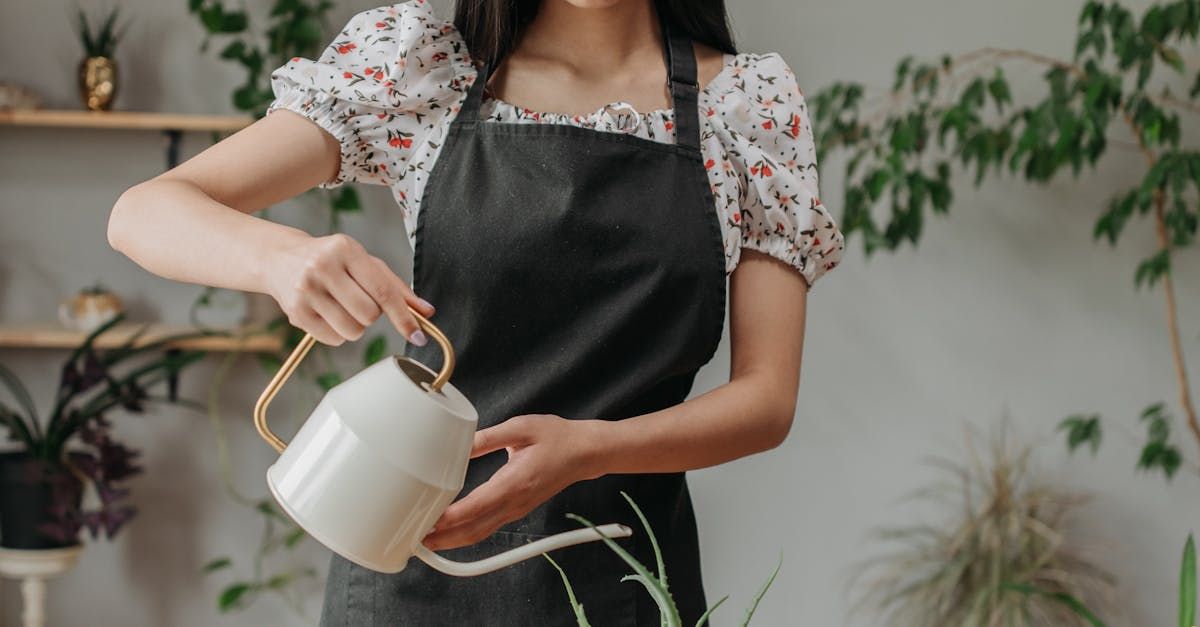
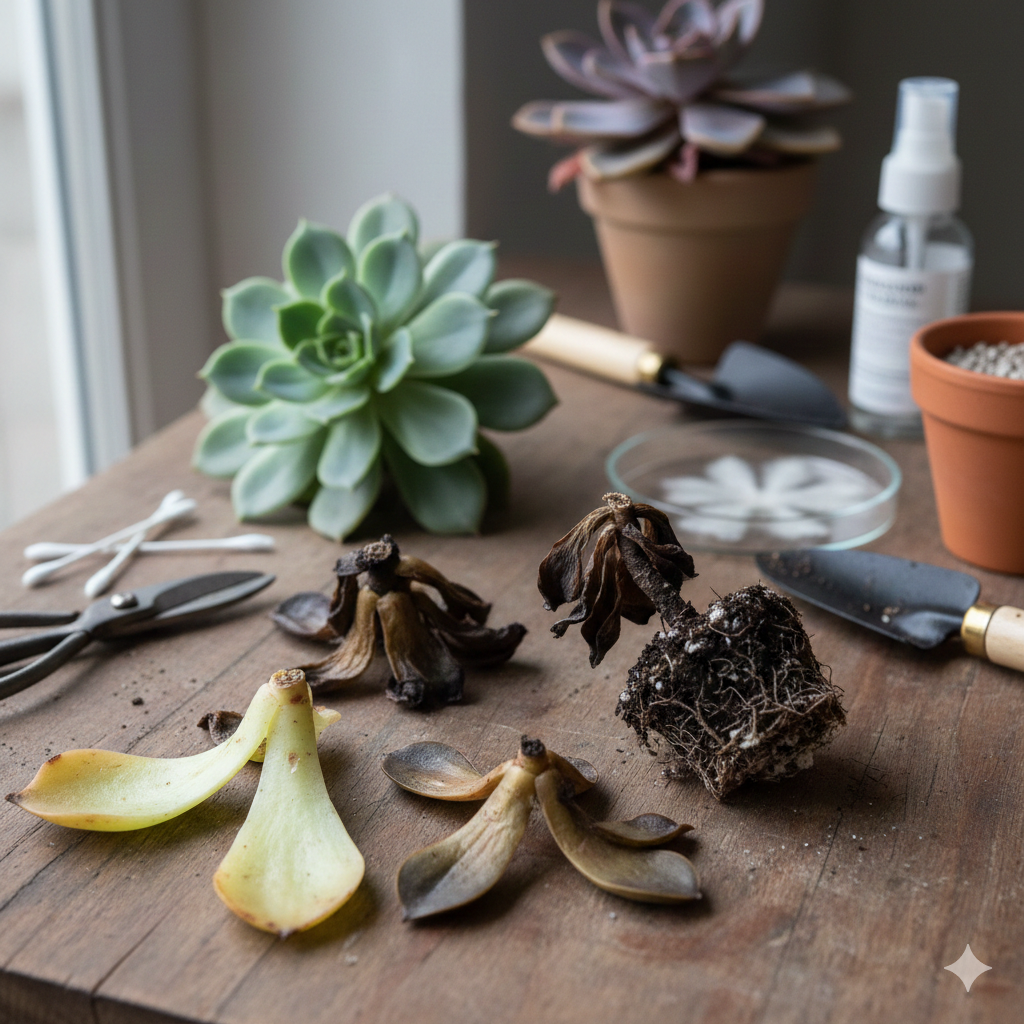
One of the most critical aspects of winter succulent care is watering. Succulents enter a dormant phase during winter, growing at a much slower rate. Overwatering during this period can lead to root rot, a common issue that can be fatal to your plant. Follow these tips when it comes to watering your succulents during the winter:
- Reduce Frequency: Water your succulents less frequently than in the warmer months. Usually, once every three to four weeks is sufficient, depending on the humidity levels in your home.
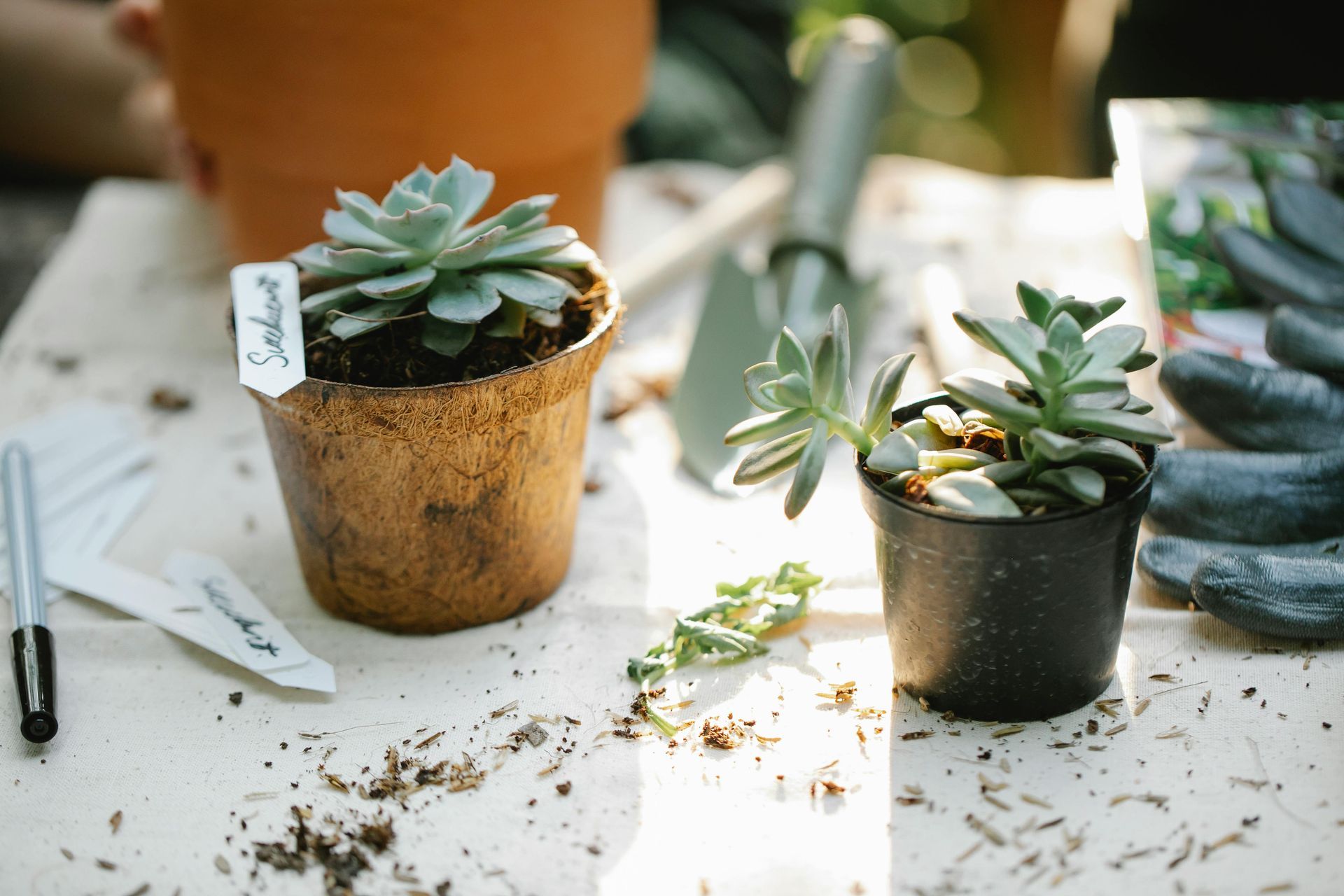
- Check Soil Moisture: Always ensure the soil is completely dry before watering. Use your finger or a moisture meter to confirm.
- Water Sparingly: When you do water, avoid over-saturating the soil. Pour only enough to moisten it without letting water sit at the bottom of the pot.
Regulating Temperature
Succulents are native to arid and warm regions, which means they prefer consistent temperatures. During winter, keeping them at the right temperature is crucial as they are sensitive to extreme cold. Here are ways you can regulate the temperature of your succulents despite the cold weather:
- Maintain Indoor Stability: If your succulents are indoors, place them in a location where temperatures remain between 60°F and 75°F (15°C to 24°C).
- Avoid Freezing Temperatures: If you have outdoor succulents, ensure they are moved indoors if the temperature drops below 40°F (4°C). Prolonged exposure to freezing temperatures can damage the leaves and roots.
- Keep Away from Drafts: Avoid placing succulents near drafty windows, doors, or heating vents, as fluctuating temperatures can stress the plants.
Maximizing Light Exposure
With shorter days and reduced sunlight during the winter, providing sufficient light for your succulents can be challenging. Light is essential for their photosynthesis and overall health, even during dormancy. Follow these helpful tips to maximize your succulents’ light exposure:
- Place Near Bright Windows: Position your succulents near a south-facing or east-facing window where they can receive ample indirect sunlight throughout the day.
- Use Grow Lights: If natural light is limited, artificial grow lights are an excellent alternative. Opt for full-spectrum LED grow lights, which mimic natural sunlight, and place them about 6–12 inches above the plants for optimal coverage.
Ensuring Proper Soil and Drainage
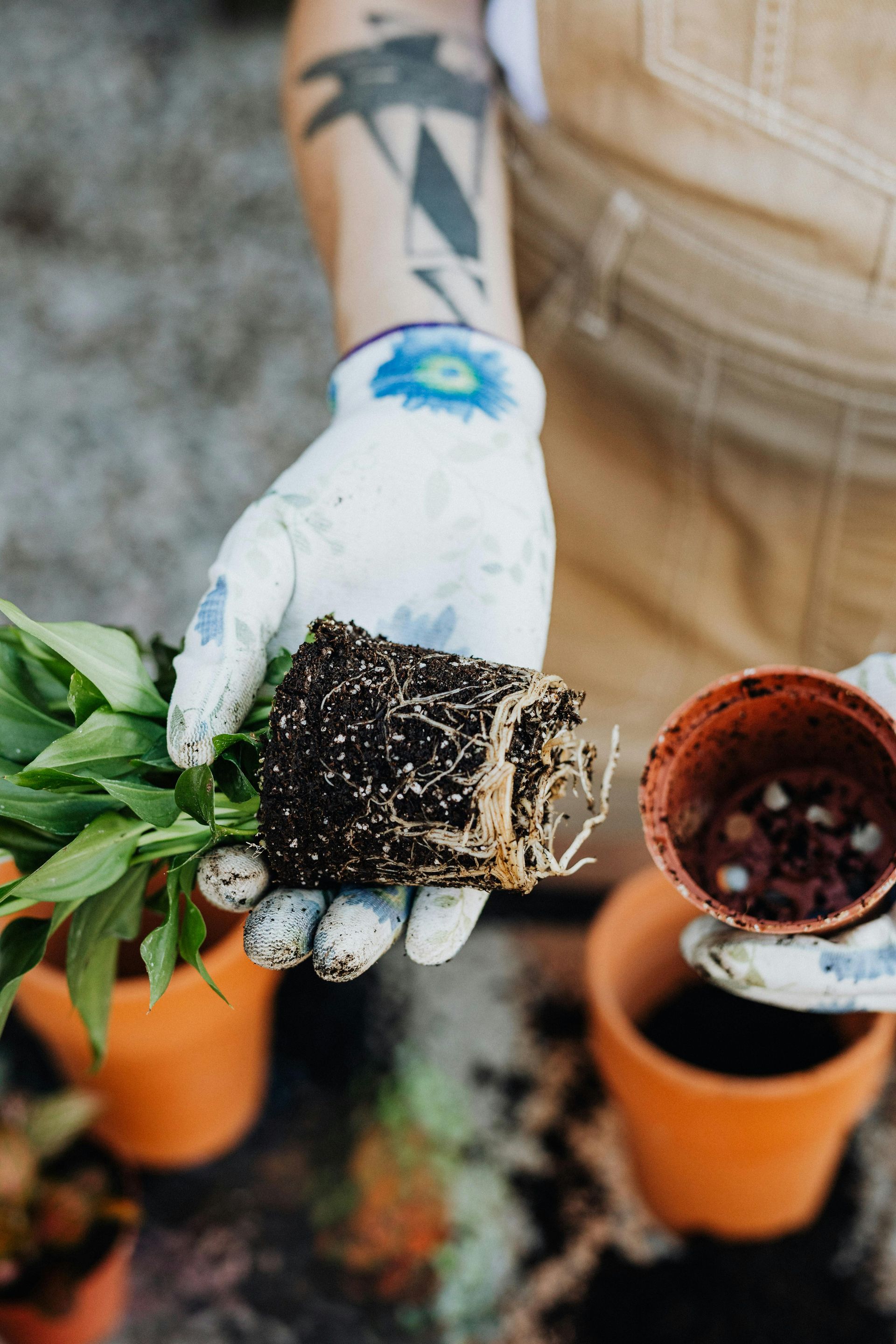
The right soil composition and drainage are vital for preventing issues like root rot, particularly during the winter when overwatering risk increases. That is why it’s best to use a cactus or succulent-specific potting mix designed to drain quickly and prevent water retention. Also, make sure your pots have adequate drainage holes to allow excess water to escape. Avoid decorative pots without drainage unless they are used merely as outer covers.
Minimizing Fertilizer Use
Succulents typically do not require much, if any, fertilizer during the winter. Their dormant state means they are not actively growing, and over-fertilization can cause stress. As such, avoid fertilizing during winter. Resume using a balanced, water-soluble fertilizer in the spring when the plant emerges from dormancy.
Monitoring Pests and Diseases
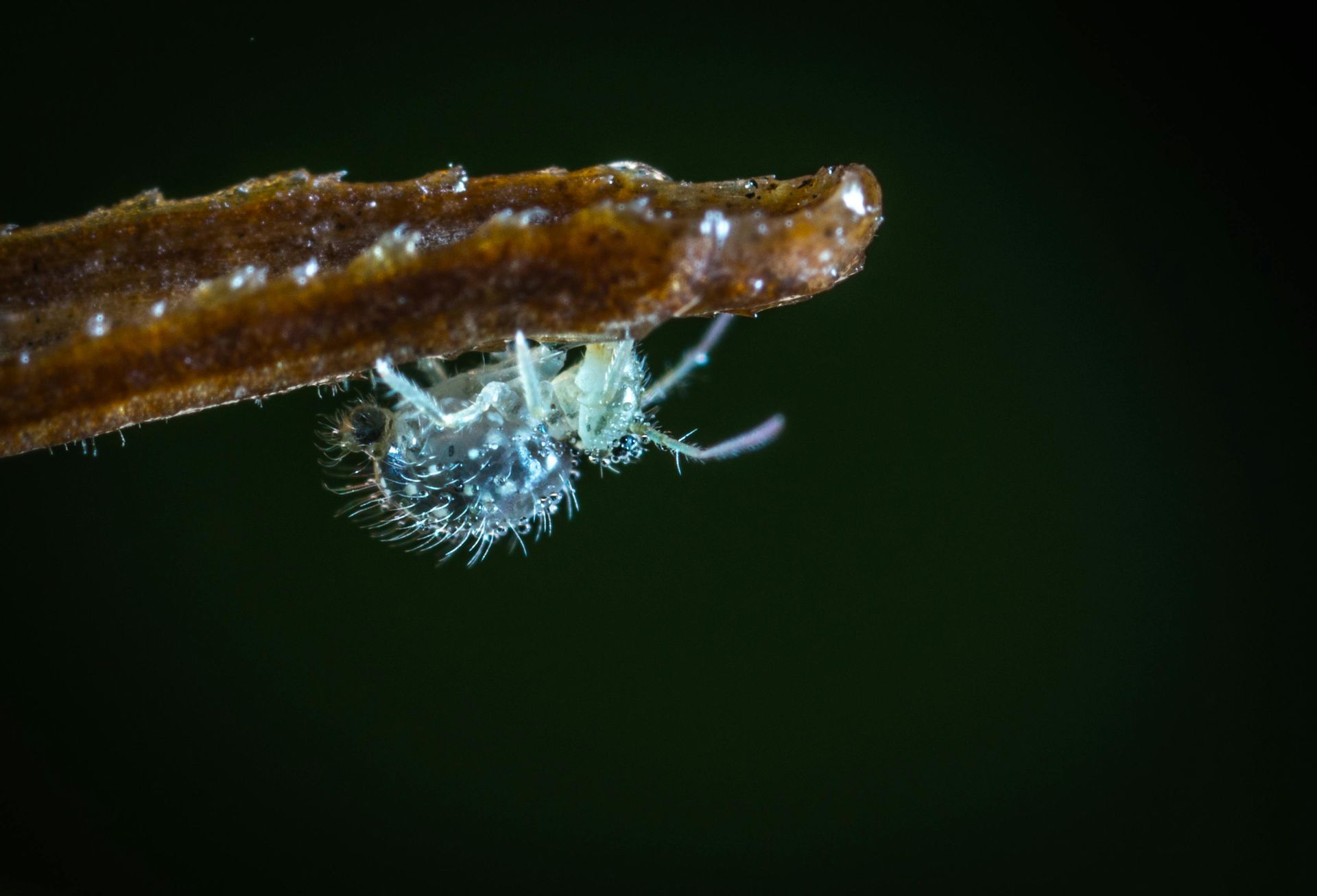
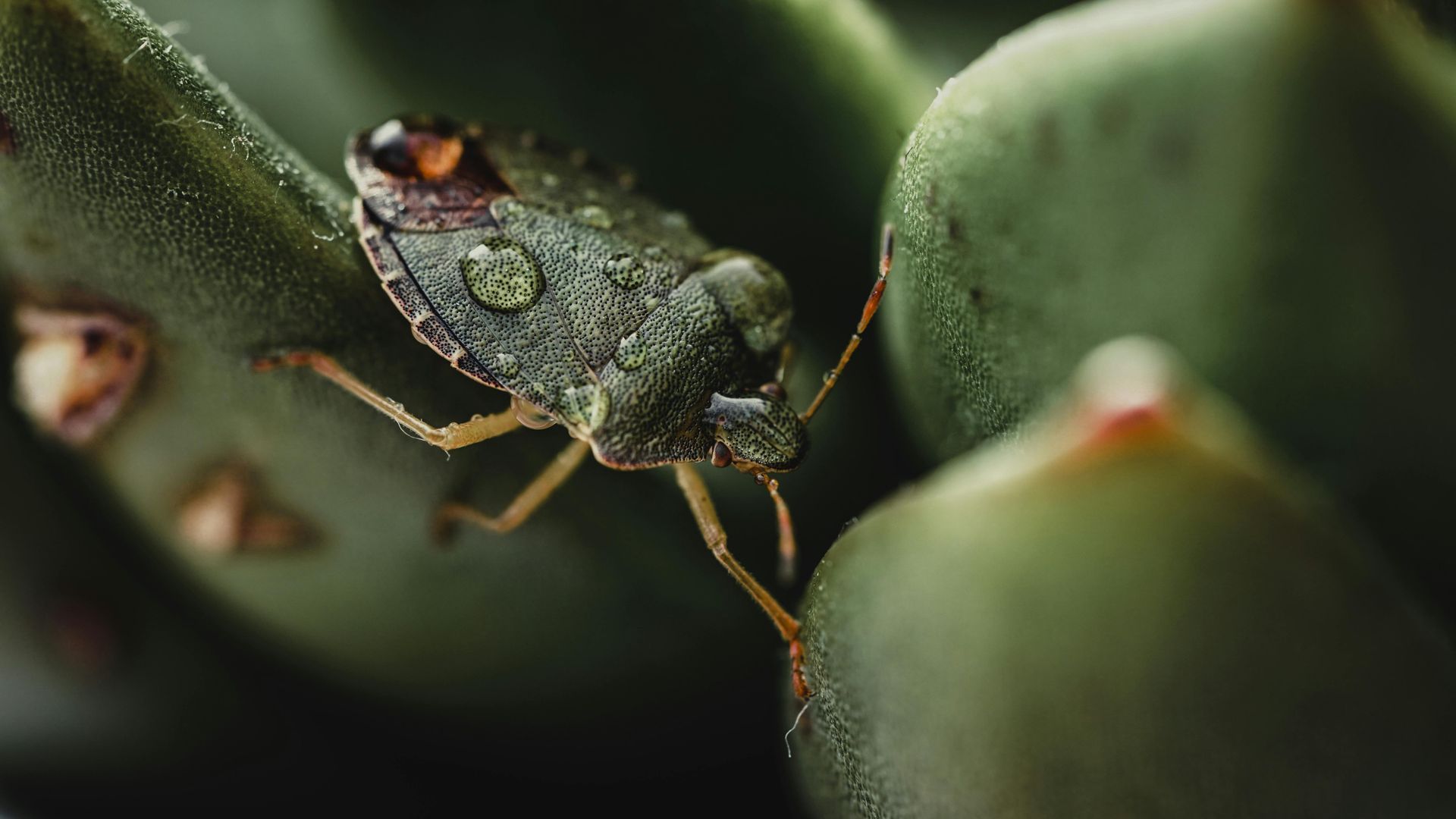
Although pest problems are less common in winter, indoor succulents can still be affected by pests like mealybugs or spider mites. Check the leaves and stems for any signs of pests or discoloration. Act promptly if pests are spotted by treating with insecticidal soap or neem oil. Additionally, overwatering or poor ventilation can lead to fungal infections. Keep succulents in a location with good ventilation to reduce the risk of fungal growth.
Preparing Outdoor Succulents for Winter
If you have hardy succulents planted outdoors, they may require extra preparation to withstand winter conditions. Use frost cloths or protective covers during frosty nights to shield your succulents from extreme temperatures. If grown in containers, elevate the pots off the ground to prevent them from sitting in cold, wet conditions. Moreover, apply a layer of mulch around the base of outdoor succulents to insulate the soil and protect the roots from freezing temperatures.
Caring for succulents during the winter months may require some adjustments, but the payoff is healthy, vibrant plants that will flourish once spring arrives. Whether you’re a beginner or seasoned succulent grower, then you’ll want to join our events at Plant & Sip, where you can learn more about the wonders of planting while having fun! Contact us today for more details.
Plant & Sip Latest News