Spring Pruning Tips for Healthy Succulents
As winter fades and daylight hours begin to lengthen, succulents start to emerge from dormancy. This seasonal change marks the beginning of active growth, making spring one of the best times of year for proper succulent care. After months of reduced sunlight and cooler temperatures, many plants may show signs of stress, including stretched stems, faded color, and a buildup of dry, lifeless leaves.
Spring pruning provides an opportunity to refresh and restore a succulent collection. With proper care and pruning techniques, these plants can return to a healthier, more vibrant state. This article explains how spring pruning supports healthier plants and prepares them for a season of active growth.
Why Succulents Should Be Pruned in Spring
Succulents follow a natural growth cycle, and most varieties begin actively growing in spring. Pruning during this period works with that cycle, allowing plants to recover more efficiently and produce new growth more quickly. Trimming them before this seasonal growth spurt helps direct energy toward producing healthy leaves and offsets.
Fix Succulent Stretching
One of the most common issues succulent owners notice after winter is stretching, also known as etiolation. This happens when plants do not receive enough sunlight and begin reaching toward available light sources. As a result, stems grow longer, and the spacing between leaves becomes more noticeable, creating a less compact appearance.
By trimming back these stretched sections in spring, the plant has a chance to regain a more balanced shape. The new growth that follows is often tighter and more compact, helping restore the succulent’s natural form.
Allow the Plant to Redirect Its Energy
Dead leaves and spent flower stalks may seem harmless, but they still draw small amounts of energy from the plant. Over time, this can slow the development of new leaves and roots.
Removing these unnecessary parts helps redirect the plant’s resources toward healthy growth. This allows succulents to focus on producing fresh foliage and strengthening their root systems during the growing season.
Prevent Pest Infestations
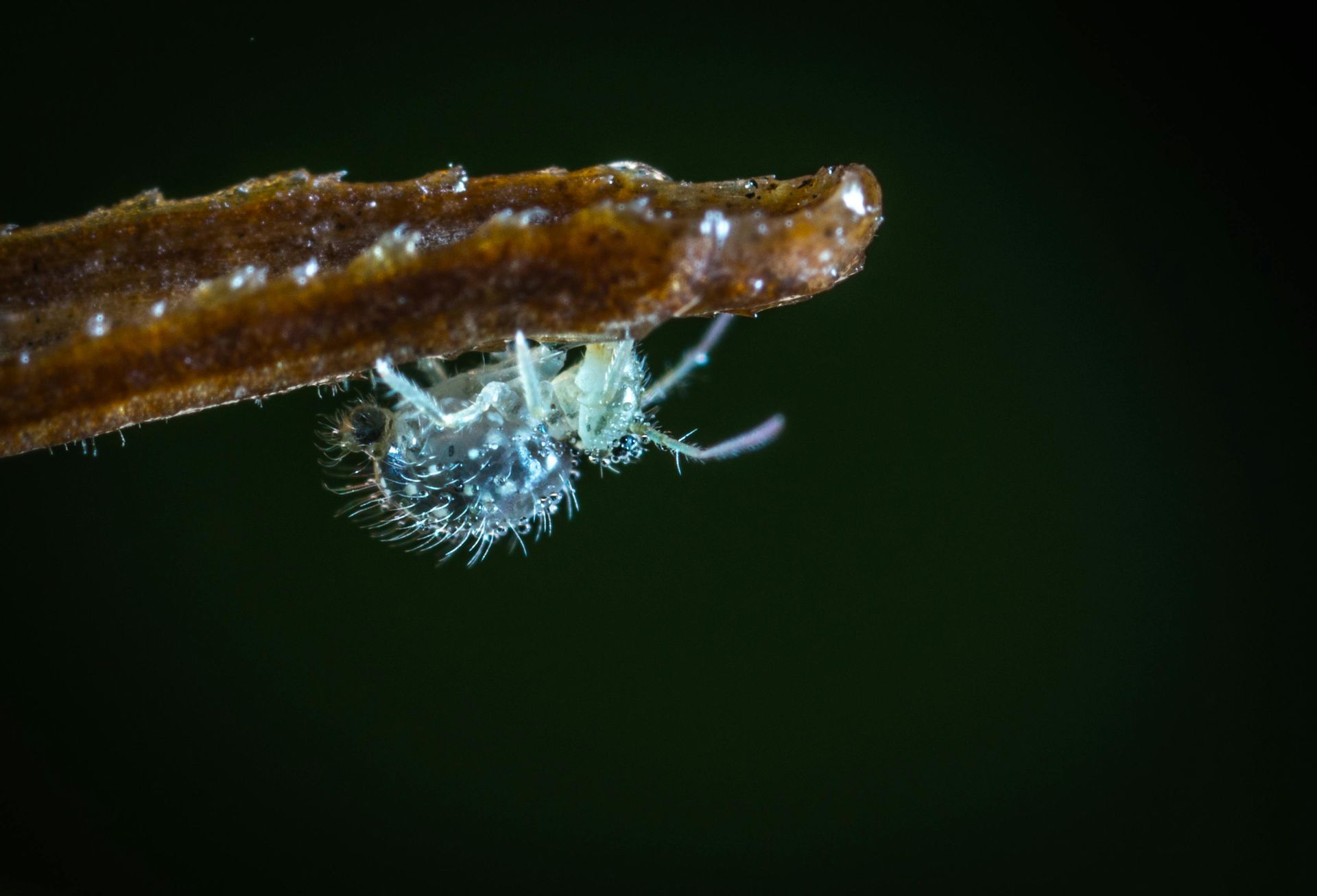
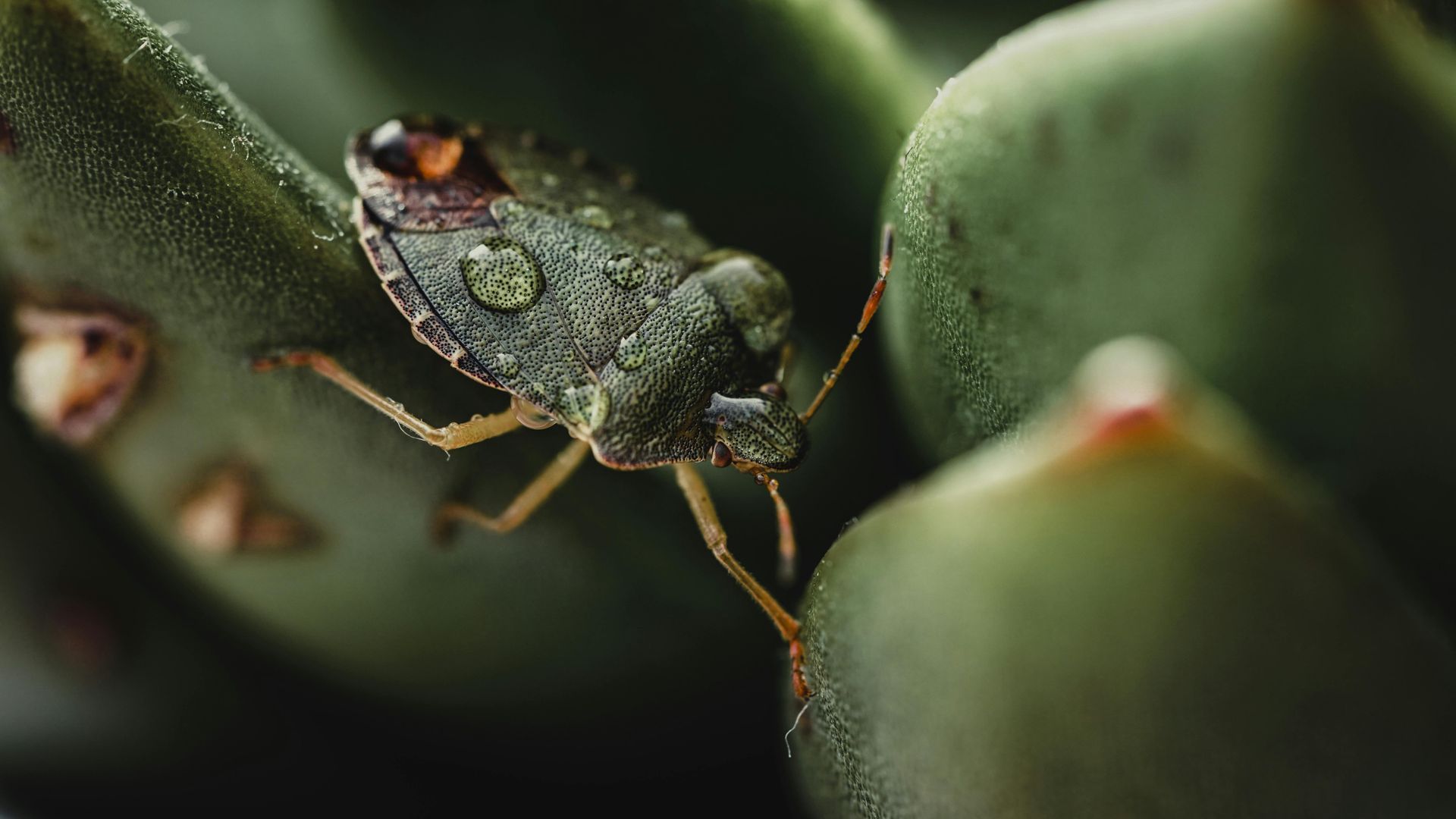
Another benefit of spring pruning is improved plant hygiene. Dry leaves often collect around the base of succulents, creating hidden spaces where pests such as mealybugs and spider mites can thrive.
Clearing away this debris improves airflow and reduces the likelihood of infestations. A clean, well-maintained plant is less attractive to pests and easier to monitor for early signs of trouble.
A Step-by-Step Guide to Pruning Succulents
Pruning succulents may seem intimidating at first, but the process is simple with the right approach. Taking it one step at a time helps avoid unnecessary damage and leads to better results.
Get the Right Tools Ready
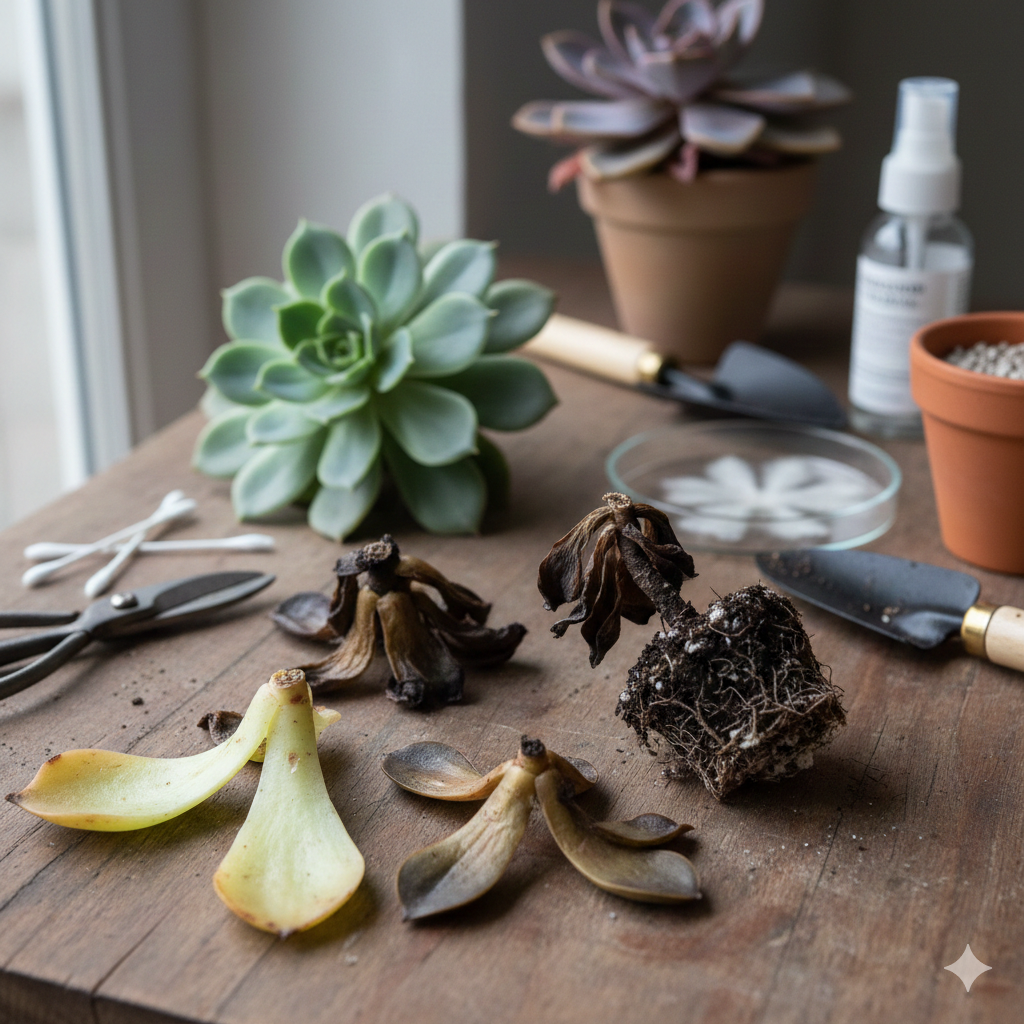
Before pruning succulents, gather a few essential tools. The condition of the tools is important when working with plants and preventing the spread of bacteria. The following tools are recommended:
- Sterilized pruning shears or scissors: Clean scissors with isopropyl alcohol before and after use on each plant to help prevent the spread of disease.
- Tweezers: These are useful for removing dead leaves from within rosettes without damaging healthy leaves.
- Gloves and eye protection: These are recommended when handling plants such as Euphorbia, which have irritating sap, or plants with sharp spines.
Start With General Cleanup
The first step in pruning is removing anything that no longer benefits the plant. Dry, brittle leaves near the base can usually be removed with a gentle pull. If they are difficult to reach, tweezers can help remove them more precisely.
Old flower stalks should also be trimmed as close to the base as possible. Care should be taken to avoid cutting into the main stem or damaging nearby leaves.
Cut Back Stretched Succulents
When dealing with stretched succulents, cutting back the stem can greatly improve the plant’s appearance. A clean cut just below the top cluster of healthy leaves allows the upper portion to callous over before being replanted.
This top section can be set aside in a dry spot for a few days before replanting. Once it develops roots, it can grow into a neater, more compact rosette. The original stem should not be discarded, as new offsets may eventually sprout along the sides and create a fuller-looking plant.
Prune the Roots When Repotting
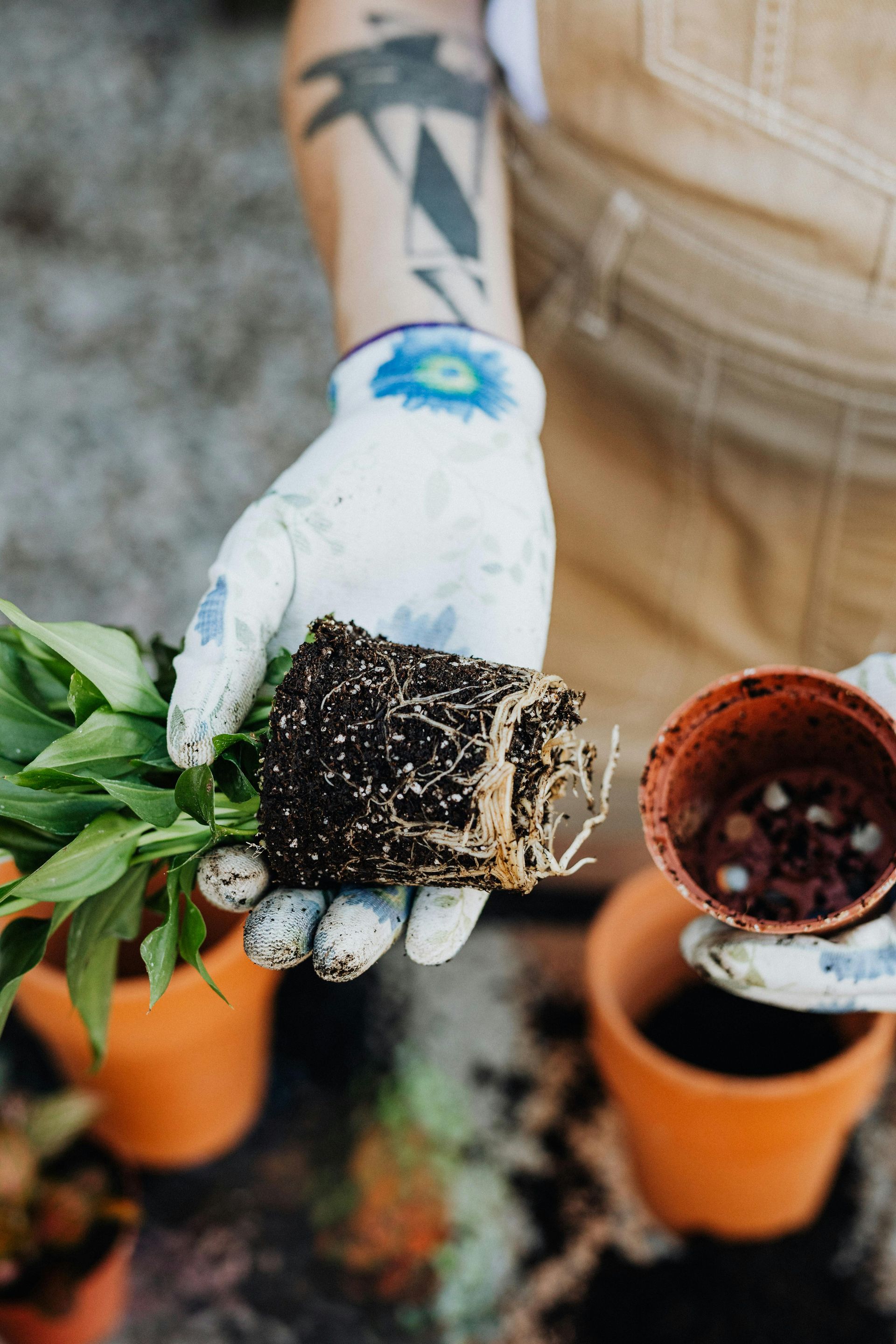
Spring is also a common time for repotting succulents, making it a good opportunity to inspect the root system. After removing the plant from its container, the old soil should be gently cleared away so the roots can be examined.
Healthy roots are usually firm and light in color. Any roots that appear dry, damaged, mushy, or dark should be trimmed away. This encourages healthy new root growth and helps the succulent adapt to its new container more quickly.
Post-Pruning Care for Healthy Recovery
After pruning, succulents need a little time to recover. Proper aftercare helps prevent problems such as rot or sunburn and supports strong new growth.
Let Cut Ends Callous Over
Fresh cuts need time to dry and form a protective layer called a callous. Placing cuttings in a well-ventilated, dry area with bright, indirect light for a few days allows this process to happen naturally. This step is especially important because excess moisture can enter fresh cuts and lead to rot.
Provide Partial Sunlight
Pruned succulents can be more sensitive to sunlight, especially if inner leaves are suddenly exposed. Moving the plant into brighter conditions should be done gradually over one to two weeks. This slower transition helps the plant adjust without becoming stressed or sunburned.
Modify Your Watering Schedule
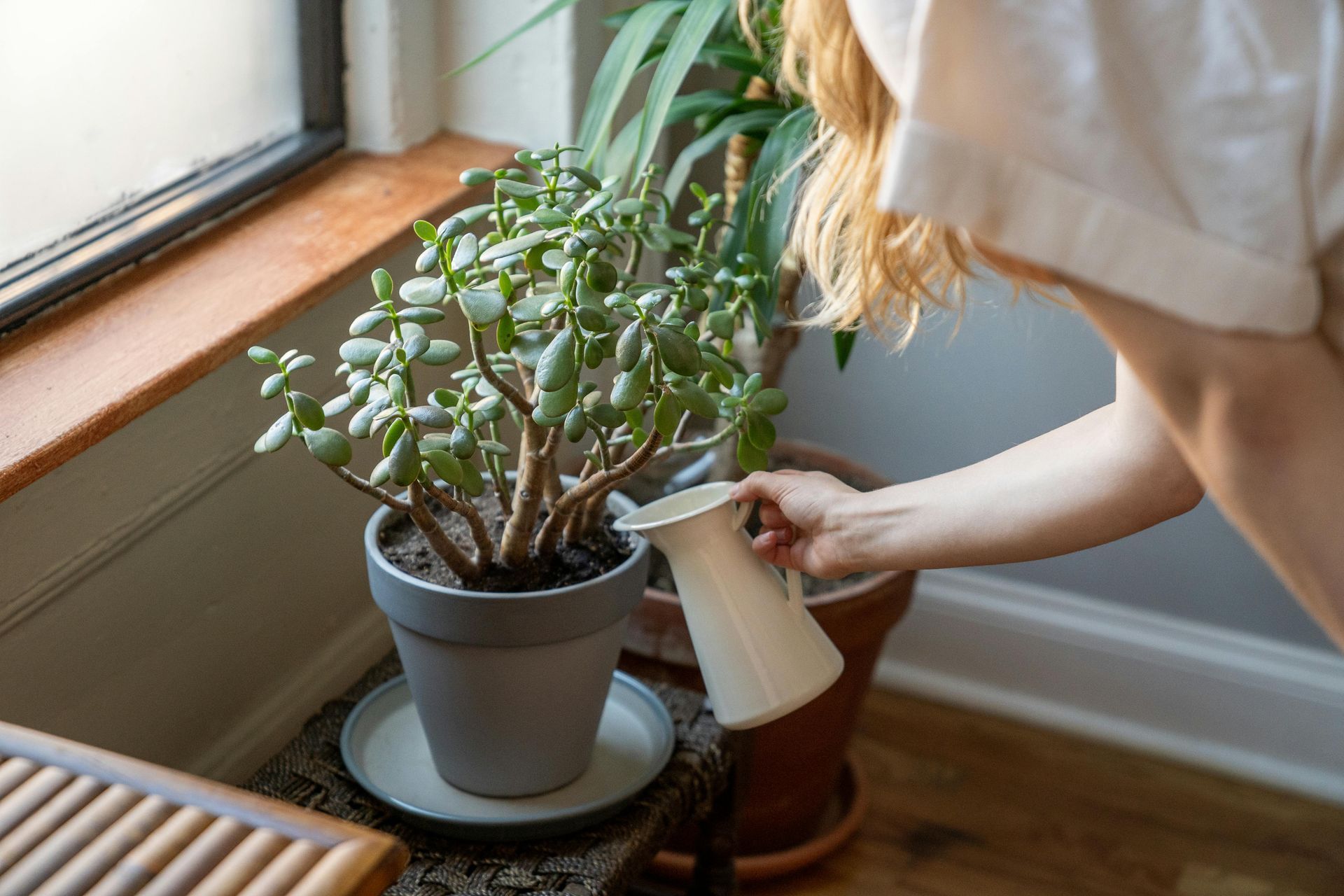
Watering should be paused until all cut areas have fully dried. For new cuttings, waiting until roots begin to emerge before watering helps prevent the stem from rotting in damp soil. Once watering resumes, the soak-and-dry method remains one of the most effective approaches. This means watering the soil thoroughly and allowing it to dry completely before watering again. This method supports strong root development and helps reduce the risk of overwatering.
Refresh Succulents for the Growing Season
Spring pruning is a simple way to refresh succulents and support healthier growth. By removing damaged growth, correcting stretching, and improving overall plant conditions, succulents are better prepared for the months ahead.
With consistent care and attention, a succulent collection can thrive and maintain its beauty throughout the year. For those who want to learn more about succulent care in a hands-on setting,
Plant & Sip offers
workshops that explore practical techniques in a relaxed and creative environment. It is a great opportunity to build plant care skills while connecting with other plant lovers.
Plant & Sip Latest News